San Francisco Single-Family Homes are Selling for the Highest Percentage of Their Original Price Since the Fed Started Hiking Interest Rates
April 24, 2025

April 24, 2025
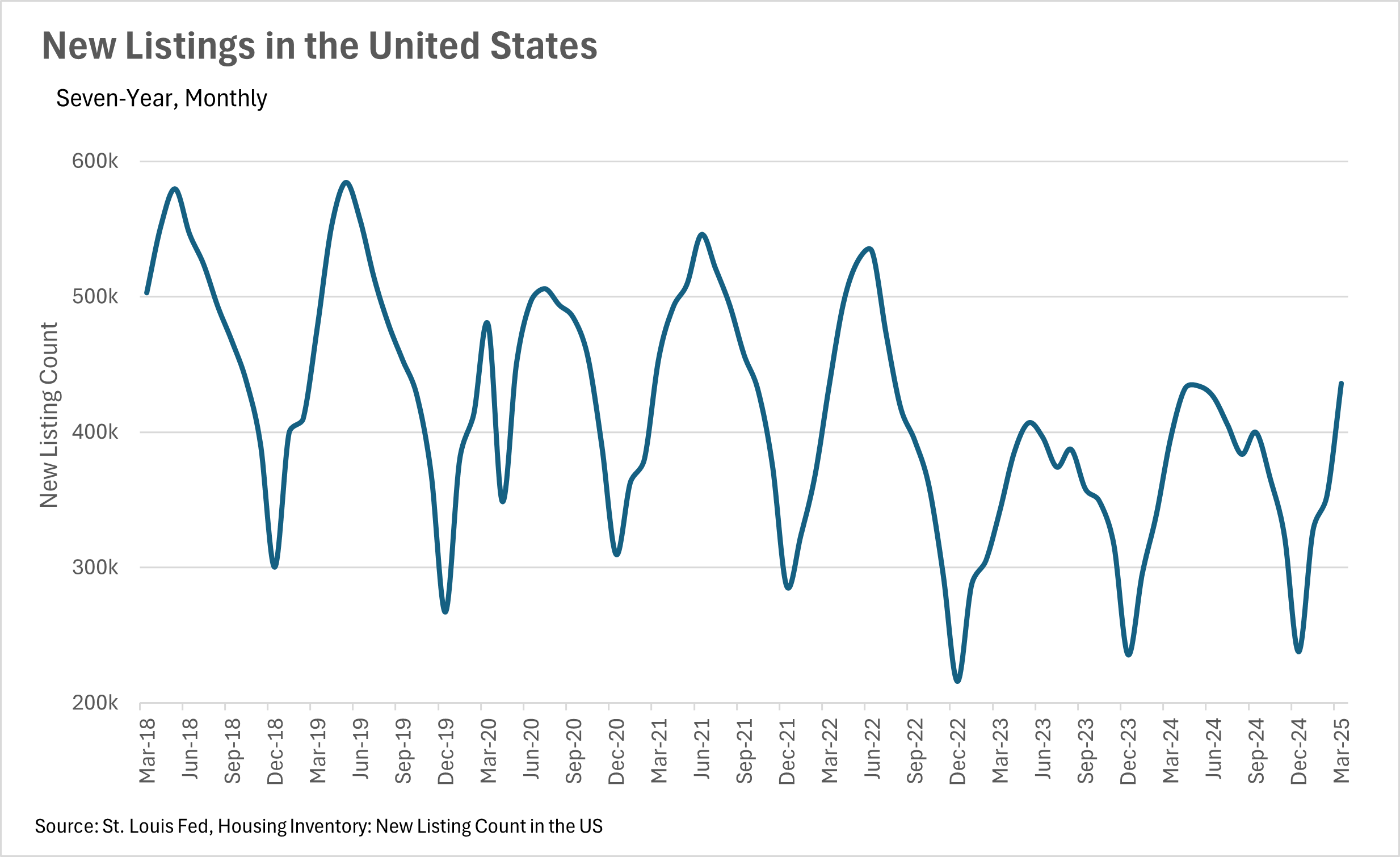
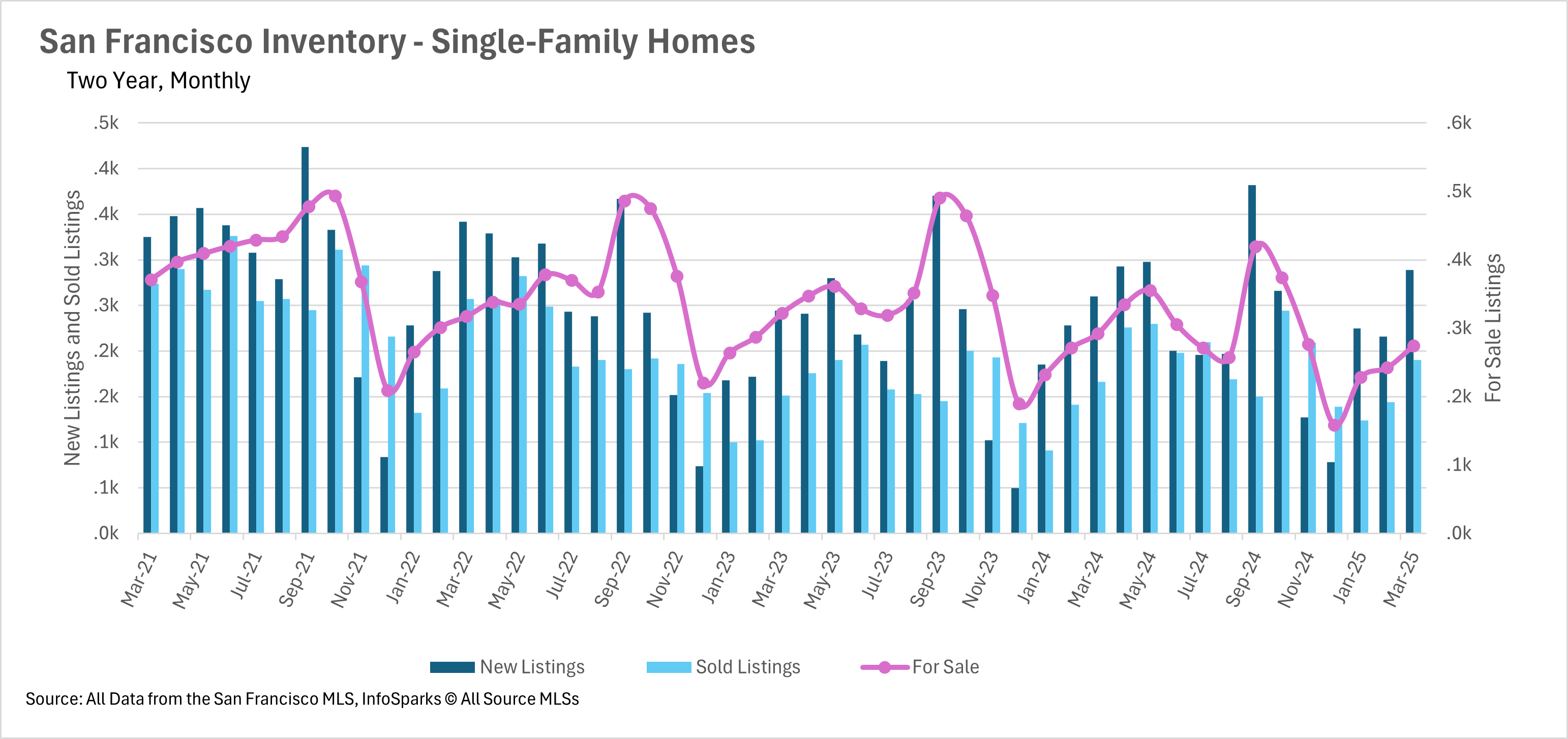
We are seeing the trend of more new listings hitting the market continue, as we saw roughly 10% more new listings added in March when compared to a year ago.
Note: You can find the charts & graphs for the Big Story at the end of the following section.
CLICK HERE TO JUMP TO SAN FRANCISCO DATA.
*National Association of REALTORS® data is released two months behind, so we estimate the most recent month's data when possible and appropriate.
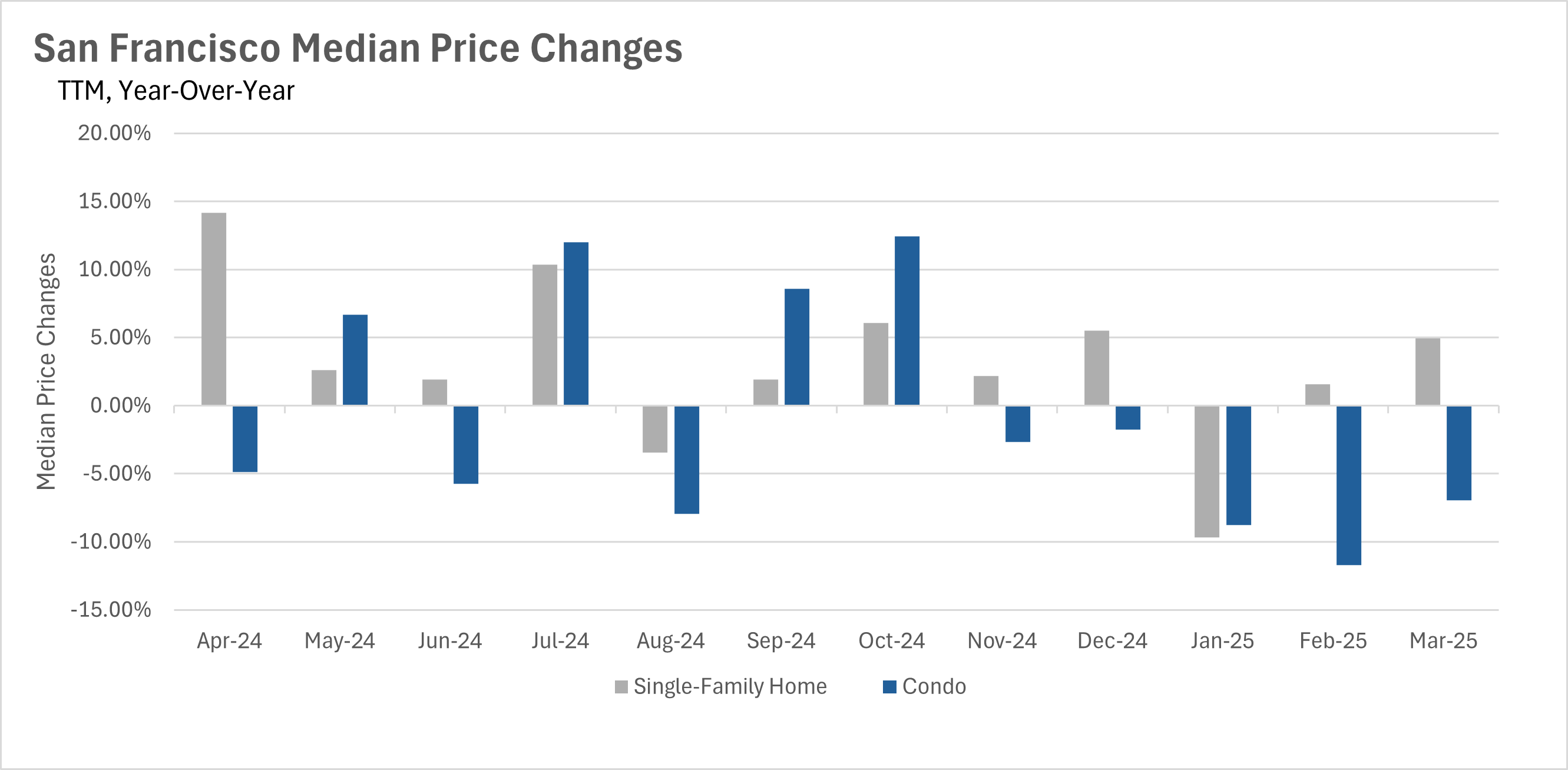
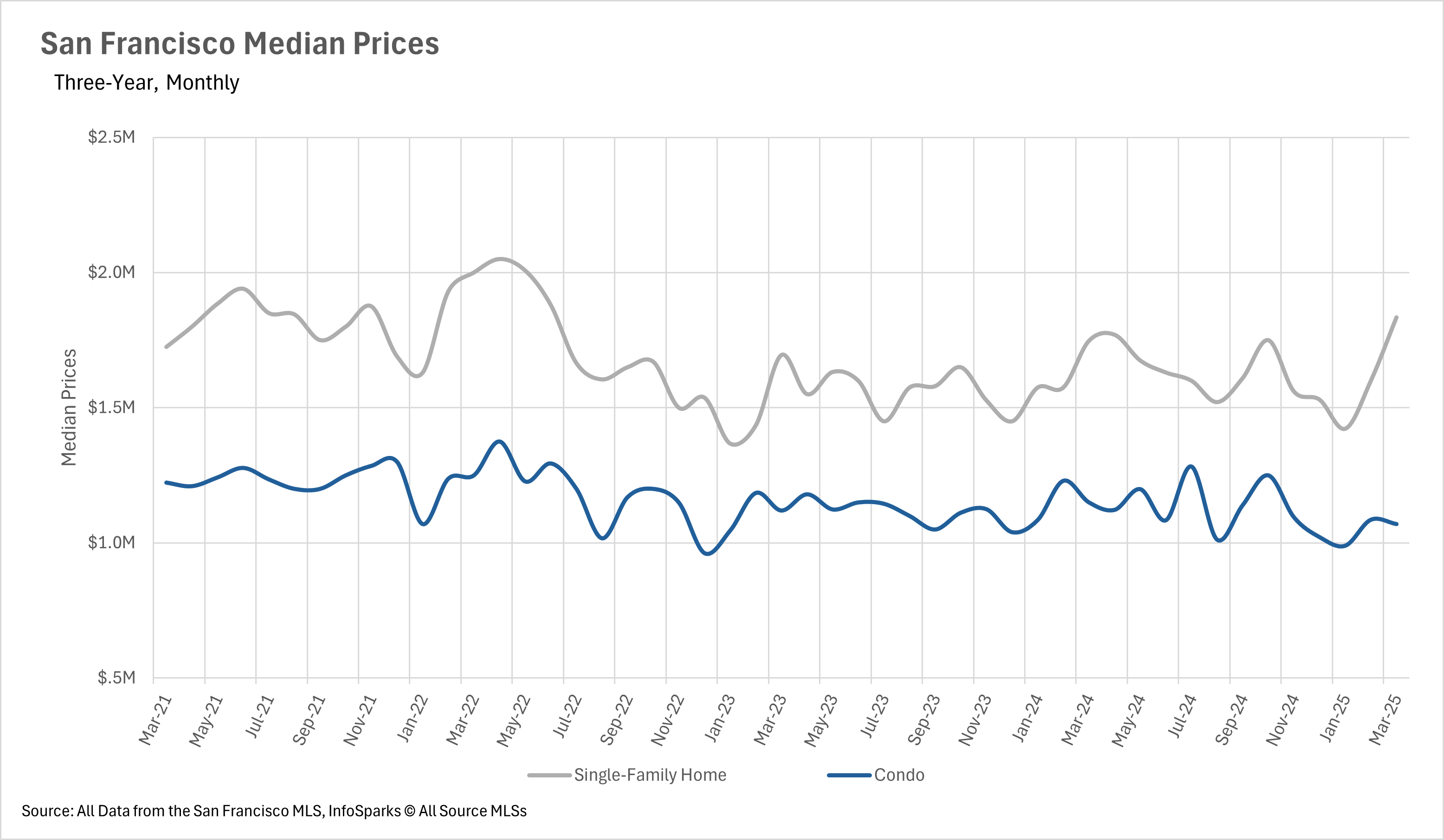
Throughout recent years, we’ve seen single-family homes maintain their values fairly well in San Francisco, with the median sale price of a single-family home in the area increasing by 6.63% over the course of the past four years. However, when we turn to the condo market, these homes have not been holding their value nearly as well, with the median sale price for a condo in San Francisco decreasing by 12.52% over the course of the past 4 years. This really highlights that buyers are much more interested in standalone homes, rather than shared buildings!
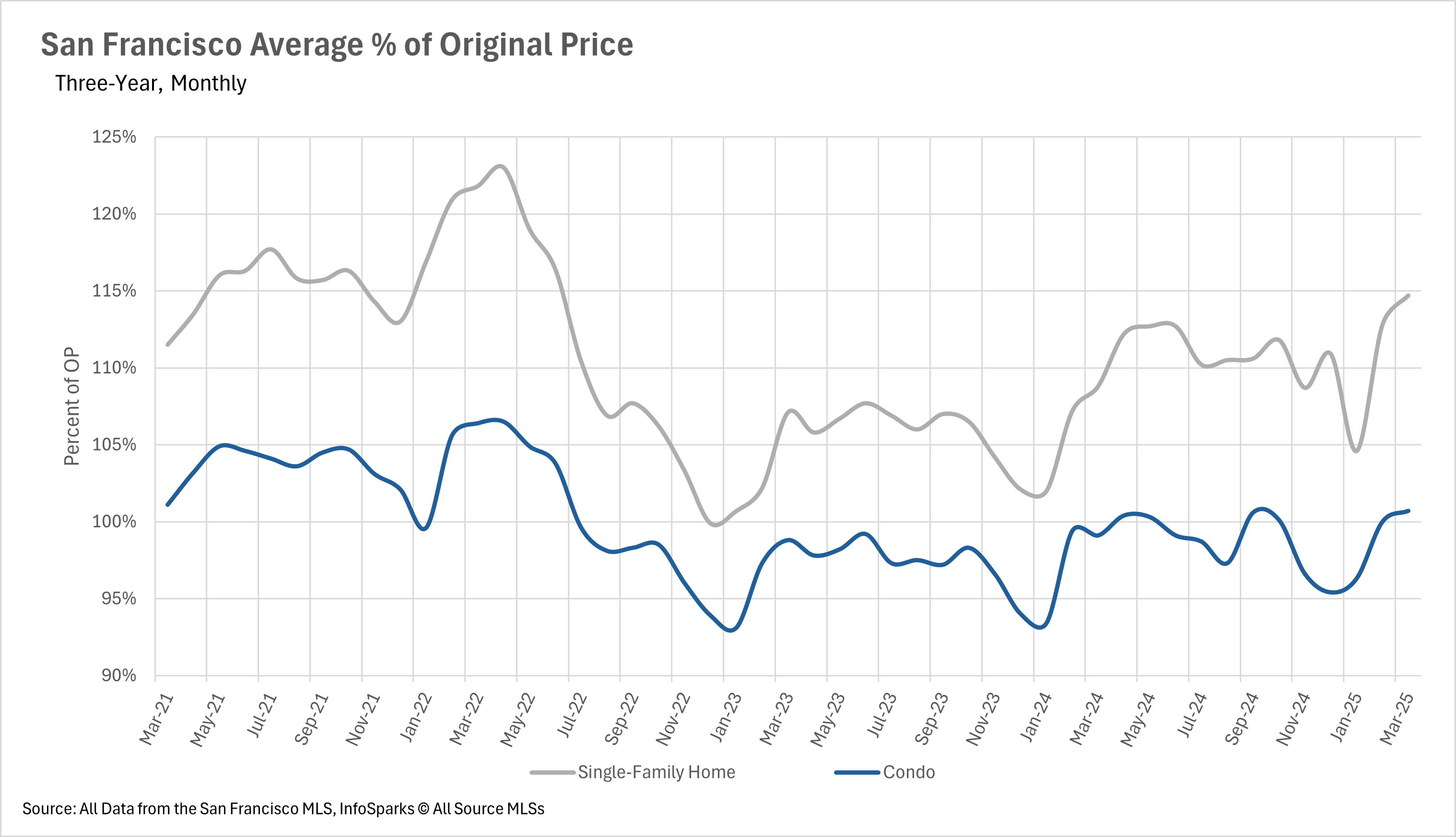
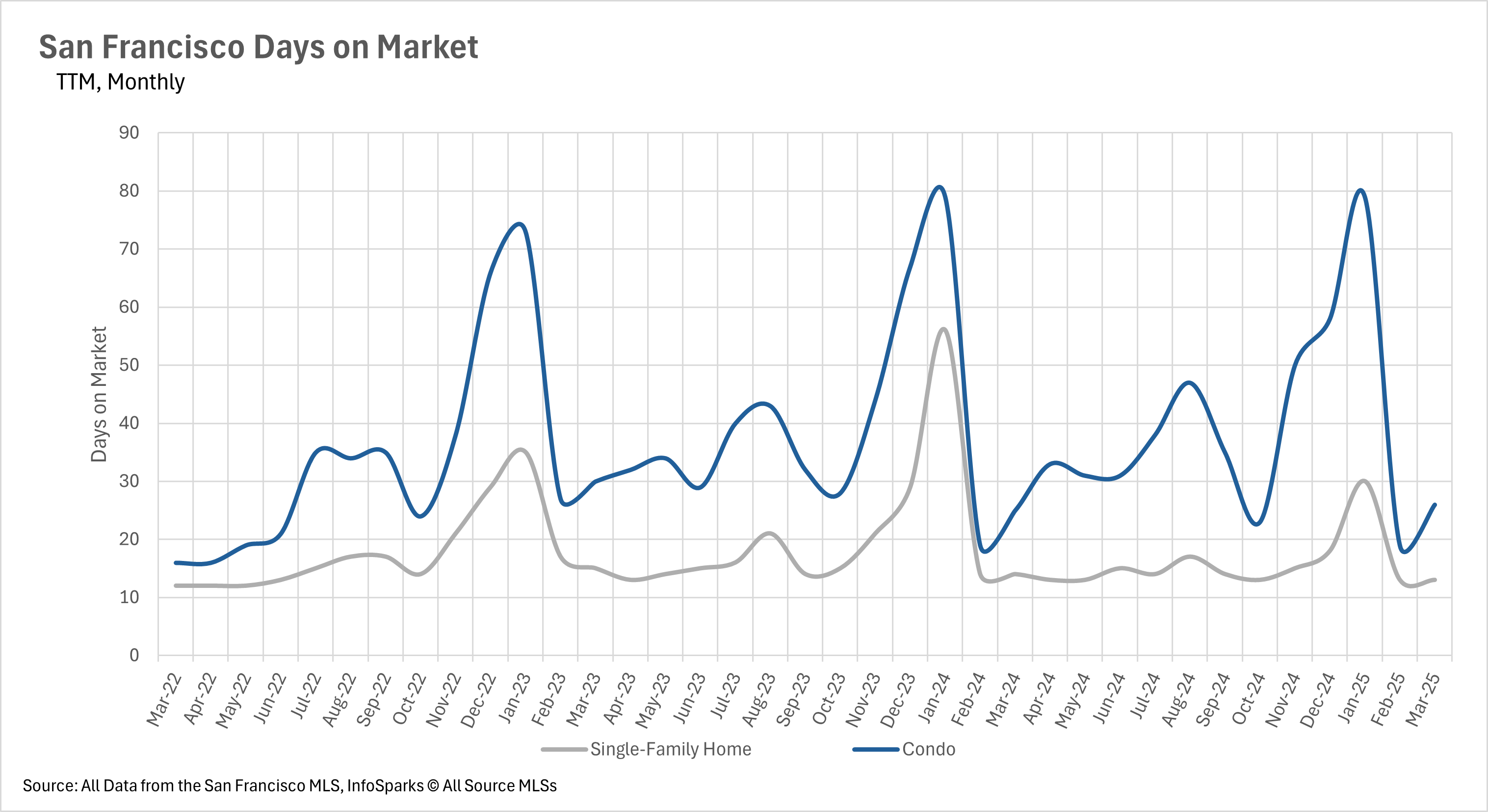
As you might expect in an area like San Francisco, when there is a hot commodity, like detached single-family homes, buyers have to pay a premium, which is exactly what they’re doing right now! The average home in San Francisco is selling for 114.7% of its original asking price. This is a level that we haven’t seen since June of 2022, when the real estate market started its downtrend after the Fed began raising rates! When you couple this with the fact that inventory looks like it will continue to be an issue, we might have ourselves a recipe for a red-hot market this year!
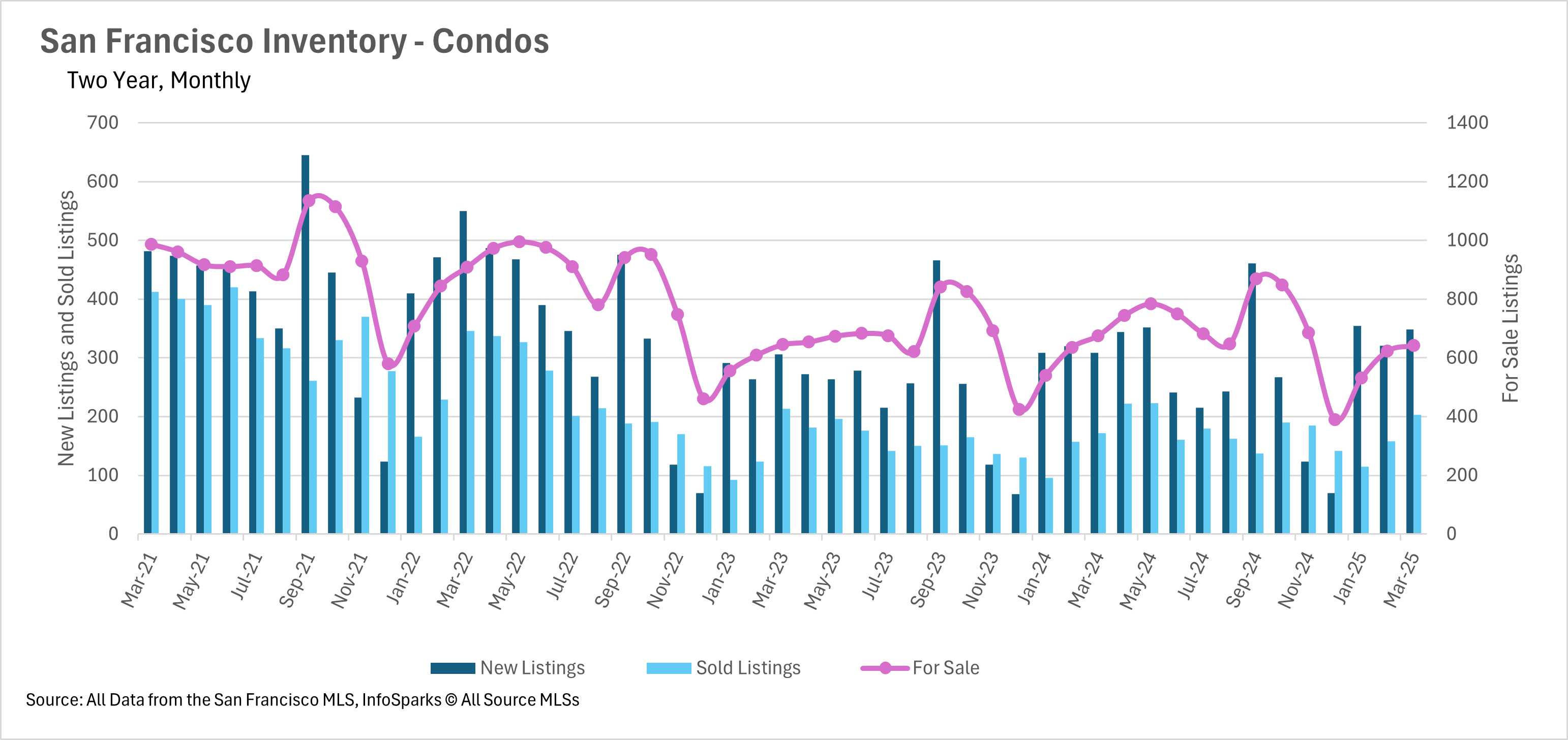
Unfortunately, the inventory issue that San Francisco is facing is nothing new. We’ve been observing the fact that inventories have been down-trending in the area for quite some time. This past month, we saw the growth in sold listings outstrip the growth in new listings once again, resulting in even lower inventory levels. This is a serious issue that’s likely a symptom of the much larger issue - housing affordability. As we all know, housing affordability has been a huge topic of discussion for years at this point. Oftentimes, those who own their homes and have a low interest rate locked in are very hesitant to move, as that likely means taking on a larger loan at a higher interest rate, making their cost of housing considerably more expensive!
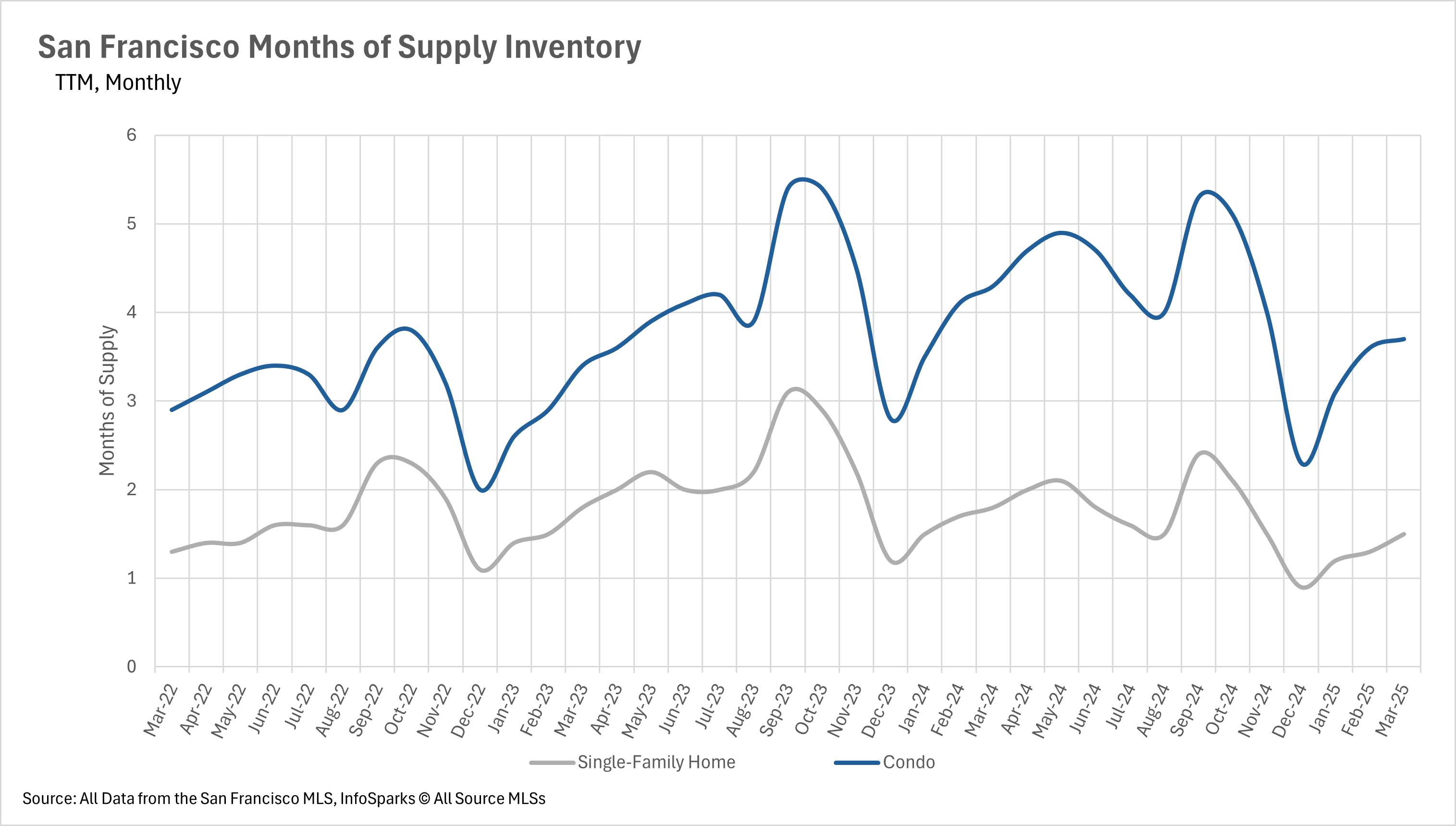
When determining whether a market is a buyers’ market or a sellers’ market, we look to the Months of Supply Inventory (MSI) metric. The state of California has historically averaged around three months of MSI, so any area with at or around three months of MSI is considered a balanced market. Any market that has lower than three months of MSI is considered a sellers’ market, whereas markets with more than three months of MSI are considered buyers’ markets.
Right now, there’s just 1.5 months' worth of single-family home inventory on the market, making it a seller-dominant market. However, on the flip side, the condo market has 3.7 months worth of inventory on the market, meaning that there are some deals to be had out there for buyers that are looking for a condo!
Stay up to date on the latest real estate trends.

October 13, 2026
A thoughtful conversation can help you feel more confident about your home-buying journey.

October 12, 2026
September 2026 Sales Show Where Buyers Are Competing

September 30, 2026
Explore the vibrant neighborhood surrounding Dolores Park, from local markets and restaurants to green spaces and everyday city living.

September 25, 2026
While the national market cools, San Francisco continues to see strong demand, limited inventory, and a competitive market.
You’ve got questions and we can’t wait to answer them.