Legacy Real Estate
Buying or selling a home in San Francisco comes with its own language, pace, paperwork, and neighborhood nuances. From disclosure packages and offer strategy to condos, TICs, BMR homes, transfer taxes, and timing the market, the process can feel overwhelming without experienced local guidance.
Below are answers to some of the most common questions we hear from San Francisco buyers and sellers.
Legacy Real Estate is a boutique San Francisco real estate team serving buyers, sellers, investors, and homeowners throughout San Francisco and the greater Bay Area. Led by Jennifer Burden and Carren Shagley, the team brings deep local experience, neighborhood knowledge, hands-on guidance, and a collaborative approach to every client relationship.
Our team helps clients buy and sell single-family homes, condos, TICs, multi-unit properties, investment properties, and homes across a wide range of San Francisco neighborhoods.
Legacy Real Estate serves San Francisco and the greater Bay Area, including Pacifica, Daly City, South San Francisco, Marin, and the Peninsula.
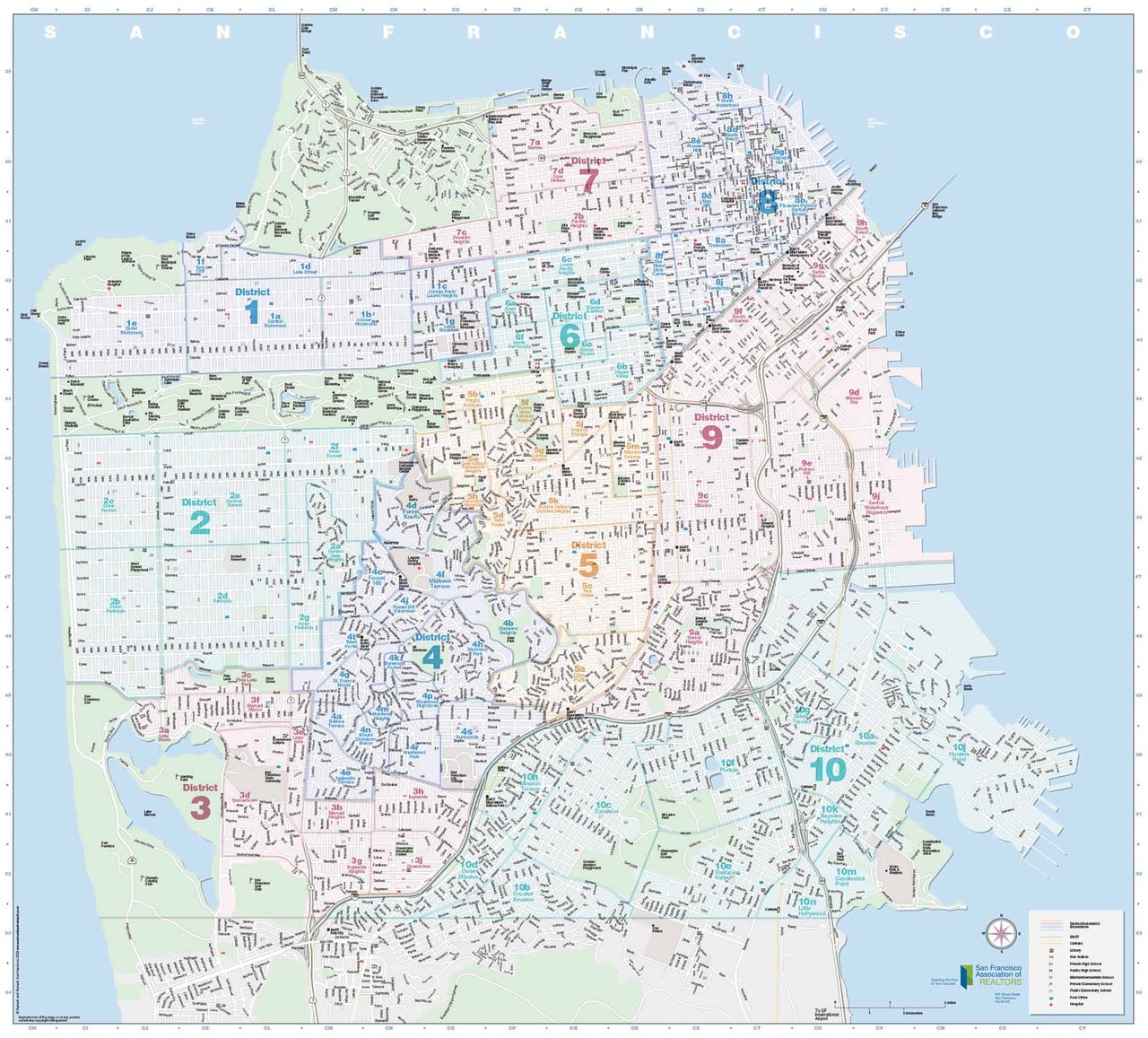
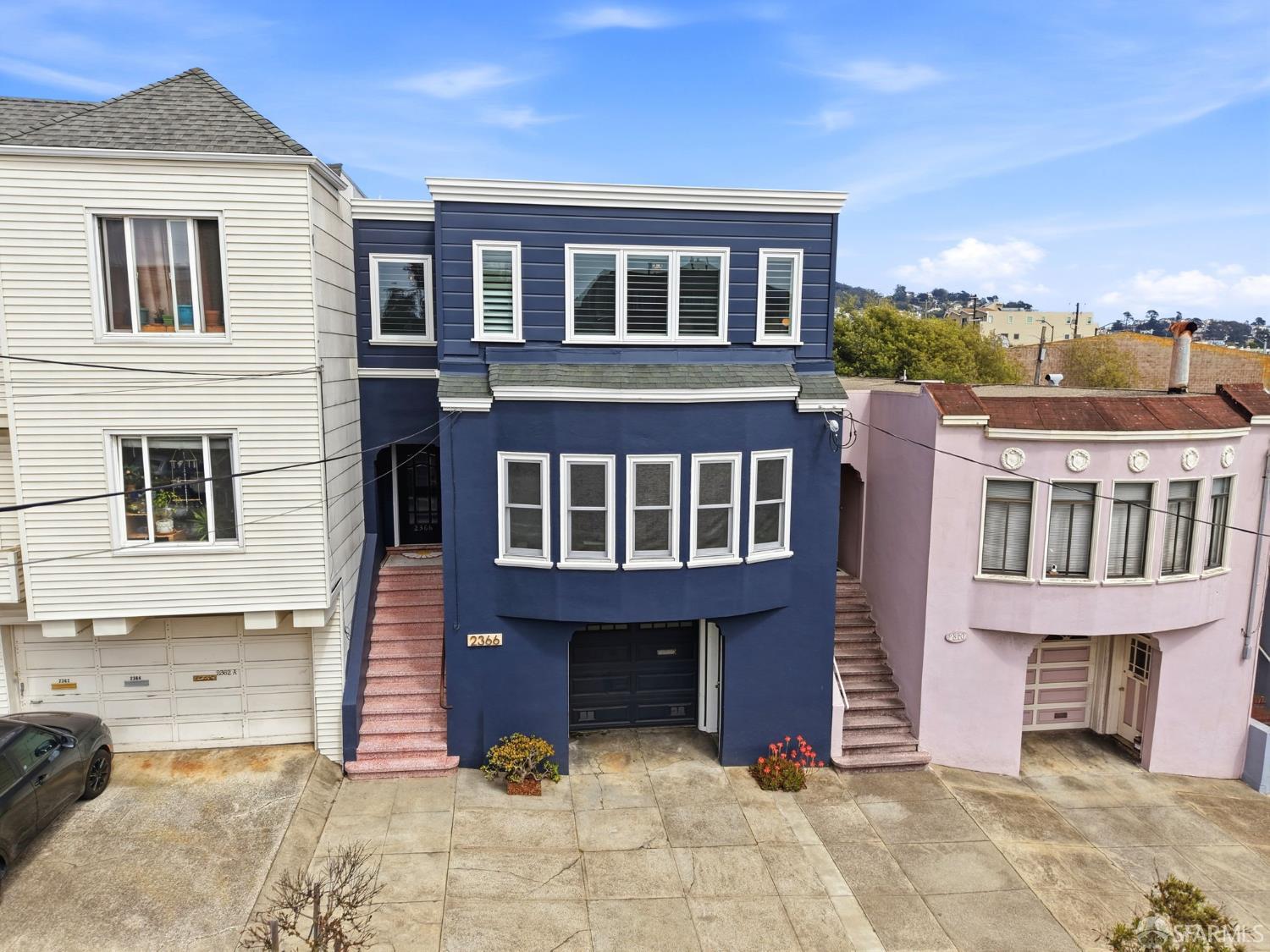
In San Francisco, our team works across neighborhoods including Bernal Heights, Glen Park, Noe Valley, Bayview, Silver Terrace, Mission Terrace, Inner Mission, Dogpatch, Mission Bay, Sunset, Richmond, Excelsior, Portola, Hayes Valley, Pacific Heights, Cow Hollow, SOMA, and the Financial District.
Legacy Real Estate combines the experience and resources of a seasoned team with the personal attention of a boutique real estate practice. Clients benefit from local market expertise, strategic pricing, thoughtful preparation, high-quality marketing, strong negotiation, and coordinated support from a team that understands the details of San Francisco real estate.
Because San Francisco is not a one-size-fits-all market, we tailor the process to the property, neighborhood, client goals, and current market conditions.
The first step is to understand your budget, financing, timeline, and preferred neighborhoods. Most buyers should speak with a trusted lender early, review current inventory, and work with a local agent who can help interpret pricing, disclosures, offer strategy, and neighborhood-specific market conditions.
In San Francisco, the list price is not always the expected sale price. A strong buying strategy often includes reviewing comparable sales, understanding the disclosure package, evaluating competition, and writing an offer that reflects both the property’s value and the buyer’s comfort level.
Selling a home in San Francisco usually starts with a property evaluation, pricing strategy, preparation plan, and marketing timeline. Before going on the market, sellers often complete inspections, gather disclosures, evaluate repairs or improvements, prepare the home for photography and showings, and develop a launch strategy.
The right approach depends on the property type, neighborhood, condition, price point, and current buyer demand. Legacy Real Estate helps sellers decide what work is worth doing, how to position the home, and how to navigate offers once they come in.
A disclosure package is a collection of documents that helps buyers understand a property before making or finalizing an offer. In San Francisco, this may include seller disclosures, property and pest inspections, natural hazard reports, preliminary title information, 3R reports, HOA documents for condos, permit history, and other property-specific information.
Disclosure review is one of the most important parts of buying a home in San Francisco. Buyers should understand the property’s condition, ownership structure, building history, HOA health if applicable, and any known material facts before deciding how to proceed. Dive in 'how to read San Francisco disclosures like a pro'.
Some San Francisco homes continue to sell over asking, especially well-prepared single-family homes in desirable neighborhoods with limited inventory. However, results vary significantly by property type, location, condition, pricing strategy, and buyer demand. Get the lates market snapshot on our monthly housing market round-up.
In San Francisco, the asking price is often part of the marketing strategy. Buyers should look beyond the list price and review recent comparable sales, disclosure details, offer activity, and neighborhood trends. Sellers should not assume every home will receive multiple offers; preparation, pricing, and presentation still matter.
Yes. For homeowners who need to buy their next home before selling their current one, Legacy Real Estate can help evaluate available options. Depending on the situation, this may include bridge financing, a buy-before-you-sell program, private sale timing, rent-back terms, contingent offers, or preparing the current home for market while searching for the next property.
The best strategy depends on equity, financing, risk tolerance, timeline, and market conditions.
The first step is to get clear on your budget and goals. Most buyers should speak with a lender before touring seriously so they understand their price range, estimated monthly payment, down payment options, and loan structure.
Once financing is clear, the next step is to identify target neighborhoods, property types, and must-have features. In San Francisco, it is also important to understand how local pricing works, because the list price may not reflect the final sale price.
Yes. A pre-approval helps you understand what you can afford and shows sellers that you are prepared to move forward. In a competitive market like San Francisco, a strong pre-approval can make a meaningful difference when writing an offer.
A good lender can also help explain monthly payments, interest rate options, property taxes, HOA dues, insurance, and closing costs.
The down payment depends on the loan program, property type, price point, and buyer qualifications. Some buyers use 20% down, while others may qualify with a lower down payment. First-time buyers may also explore local assistance programs, including BMR, DALP, City Second, and other qualifying options.
Because San Francisco prices are high and each buyer’s financial picture is different, it is important to speak with a lender early.
Yes, some buyers can purchase with less than 20% down, depending on the loan program, property type, and lender requirements. Condos, TICs, multi-unit buildings, and BMR properties may each have different financing considerations.
A lower down payment can be possible, but buyers should understand mortgage insurance, monthly payment impact, lender guidelines, and how the offer may be viewed by sellers.
Before buying a condo in San Francisco, buyers should review the HOA documents carefully. Important items include monthly dues, reserves, insurance, meeting minutes, rental restrictions, pending litigation, maintenance responsibilities, special assessments, pet rules, parking, storage, and building condition.
The condo itself matters, but the health of the building and HOA also affects value, financing, and long-term ownership.
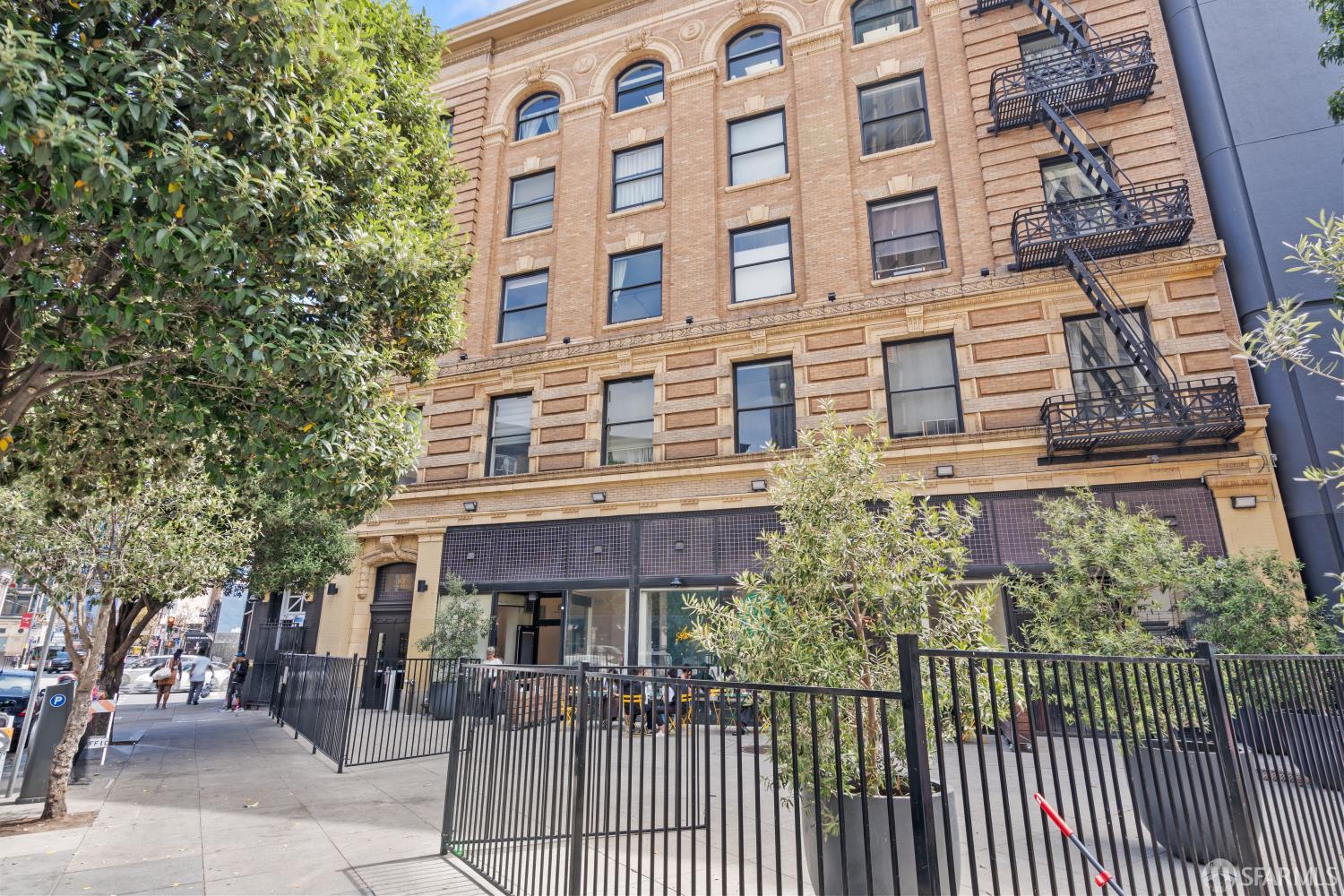
A condo is a separately owned unit within a larger building or development, usually with an HOA that manages shared spaces and building responsibilities. A TIC, or tenancy-in-common, is a shared ownership structure where multiple owners hold interests in the same property and have exclusive rights to occupy specific units.
TICs can be more complex to finance, sell, and manage than condos. Buyers should carefully review the TIC agreement, loan structure, occupancy rights, and exit strategy before purchasing.
San Francisco offer strategy depends on the property, disclosures, competition, comparable sales, and seller priorities. A strong offer is not always just about price. Terms, financing strength, contingencies, timing, rent-back flexibility, and confidence in the disclosure review can all matter.
Buyers should understand the likely value range before writing, not just the list price. A local agent can help evaluate whether a home is priced low to attract competition or priced closer to expected value.
Your home’s value depends on location, property type, condition, size, layout, views, outdoor space, parking, recent comparable sales, buyer demand, and current inventory. In San Francisco, value can vary block by block, so automated estimates are often too broad to rely on by themselves. Reach out for a custom market analysis, or get started with our online home valuation tool.
A local valuation should include recent closed sales, pending activity, active competition, property condition, and the likely buyer profile for your home.
The best time to sell depends on the property and your goals. Spring and early fall are traditionally active listing seasons, but well-prepared homes can sell successfully throughout the year when pricing, presentation, and marketing are aligned.
The right timing should consider current inventory, buyer demand, interest rates, property readiness, and your own move plans.
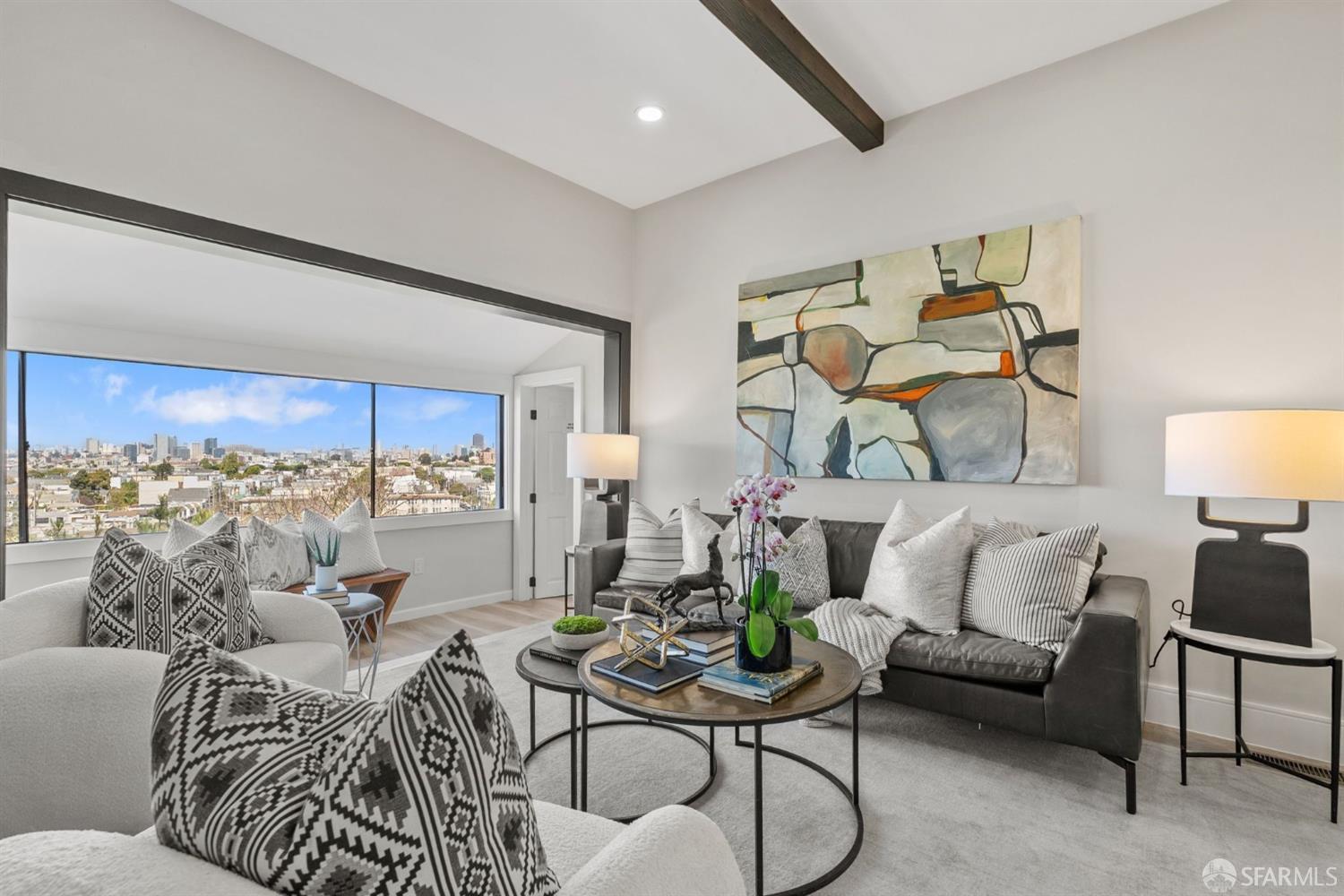
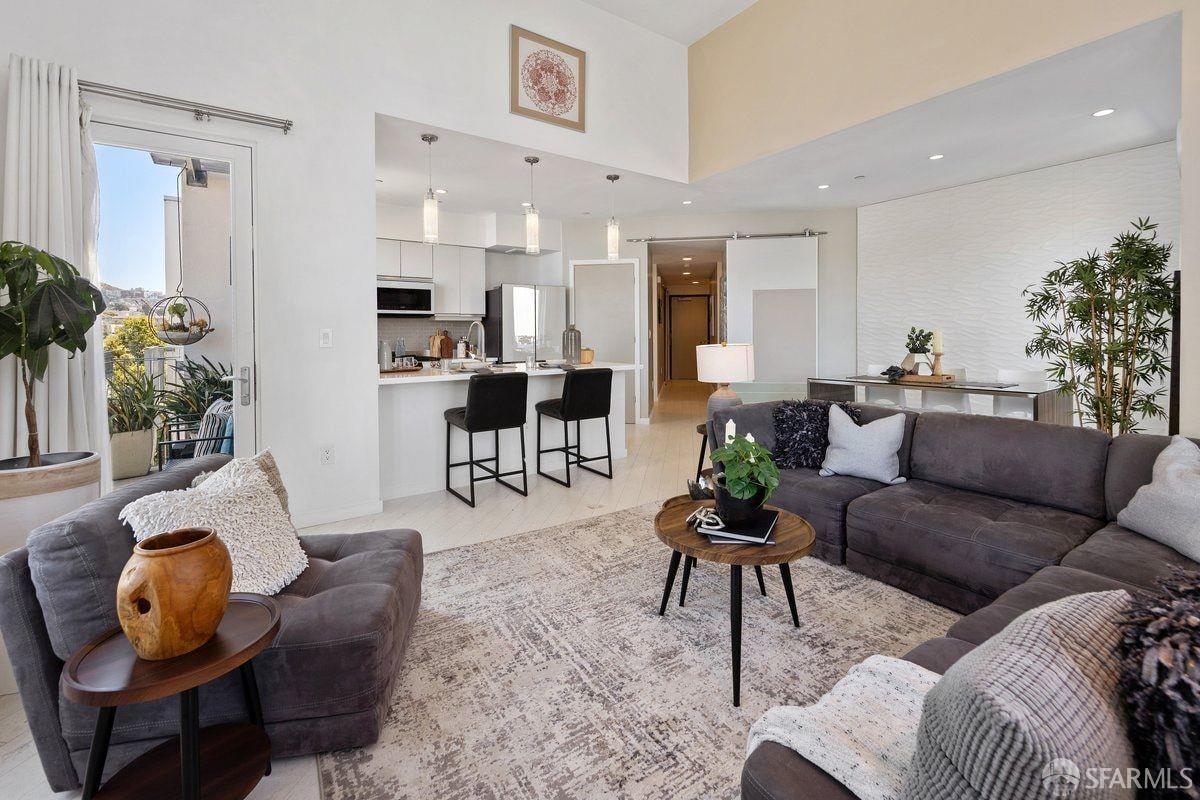
In many cases, staging helps buyers understand the scale, layout, and emotional potential of a home. This can be especially valuable in San Francisco, where older homes, unusual floor plans, smaller rooms, or vacant spaces may not photograph or show as well without thoughtful presentation.
Staging is not always necessary, but sellers should evaluate whether it will help the home stand out online and in person.
The best pre-listing improvements are usually the ones that increase buyer confidence and improve first impressions. This may include painting, cleaning, landscaping, lighting, floor refinishing, small repairs, hardware updates, window washing, and addressing obvious maintenance items.
Major renovations are not always the best use of time or money before selling. Legacy Real Estate helps sellers prioritize improvements based on likely return, timeline, and buyer expectations.
The timeline depends on preparation, pricing, property type, neighborhood, and market conditions. Before launch, sellers may need time for inspections, disclosures, repairs, staging, photography, marketing, showings, and offer review. After accepting an offer, escrow commonly takes several weeks, depending on financing and contract terms.
A well-planned sale starts before the home appears online.
Yes, some sellers choose an off-market, pre-market, or private exclusive strategy. This can make sense for sellers who want privacy, have a unique property, need to test pricing, or prefer a more controlled process.
However, an off-market sale may limit exposure. Sellers should compare the benefits of privacy against the potential value of full market competition.
Yes. San Francisco offers several homebuyer assistance and affordable ownership programs through the Mayor’s Office of Housing and Community Development. These may include Below Market Rate homes, DALP, City Second, and other programs for eligible buyers.
Each program has its own income limits, property requirements, application steps, lender requirements, and resale rules.
A BMR, or Below Market Rate home, is a home sold at a restricted price to eligible buyers. BMR homes are designed to help qualifying households purchase homes at prices below typical market-rate homes.
Buyers should understand income limits, lottery or application rules, resale restrictions, financing requirements, and long-term affordability requirements before purchasing.
DALP stands for Downpayment Assistance Loan Program. It is a San Francisco program that may provide down payment assistance to eligible buyers purchasing qualifying market-rate homes.
Because funds, rules, and eligibility requirements can change, buyers should review current city guidelines and work with a MOHCD-approved lender or housing counselor.
The City Second Loan Program is a San Francisco homebuyer assistance program connected to certain eligible properties. It can help qualifying buyers purchase homes with city-backed down payment assistance.
Buyers should understand the application process, income limits, approved lender requirements, repayment rules, and resale considerations before relying on the program.
Yes. Legacy Real Estate can help buyers understand how these programs fit into the home search and offer process. Program rules can be detailed, so buyers should also work directly with approved lenders, housing counselors, and the relevant city resources.
Our role is to help buyers evaluate properties, understand the process, prepare offers, and coordinate the moving parts.
Legacy Real Estate works throughout San Francisco, including Bernal Heights, Glen Park, Noe Valley, Bayview, Silver Terrace, Mission Terrace, Inner Mission, Dogpatch, Mission Bay, Sunset, Richmond, Excelsior, Portola, Hayes Valley, Pacific Heights, Cow Hollow, SOMA, and the Financial District.
Each neighborhood has its own housing stock, pricing patterns, buyer demand, commute considerations, and lifestyle factors. Local knowledge matters when pricing, writing offers, or comparing homes.
Bernal Heights is known for its village feel, hillside homes, neighborhood parks, views, and access to Cortland Avenue. Buyers will find a mix of single-family homes, condos, cottages, and homes with flexible spaces.
Because Bernal homes can vary widely in layout, condition, views, parking, and expansion potential, buyers should look closely at disclosures, permits, floor plans, and comparable sales.
Glen Park offers a neighborhood feel with convenient BART access, village amenities, parks, and proximity to Glen Canyon. Buyers are often drawn to its balance of residential character and commute convenience.
Homes in Glen Park can include single-family homes, condos, hillside properties, and homes with unique layouts. Buyers should pay attention to condition, topography, parking, outdoor space, and transit access.
Bayview offers a mix of single-family homes, condos, multi-unit properties, newer developments, and homes with more space compared with many central San Francisco neighborhoods. Buyers may be drawn to relative value, sunshine, views, transportation access, and community history.
Property condition, block-by-block differences, commute patterns, and long-term goals should all be considered when buying in Bayview.
Noe Valley is one of San Francisco’s most sought-after residential neighborhoods, known for its village feel, walkable commercial corridors, parks, and family-friendly appeal. Homes often attract strong buyer interest, especially well-prepared single-family homes.
Buyers should look closely at recent comparable sales, renovation quality, outdoor space, parking, and proximity to neighborhood amenities.
Pacifica is a popular option for buyers who want coastal living, more space, outdoor access, and proximity to San Francisco and the Peninsula. The market includes beach-area homes, hillside properties, ranch-style homes, condos, and neighborhoods with distinct microclimates and commute patterns.
Buyers should consider fog patterns, coastal conditions, insurance, commute routes, school needs, and property maintenance when comparing Pacifica homes.
Our boutique team offers personal service while still providing coordinated support, local expertise, vendor relationships, marketing resources, and experienced negotiation. Real estate decisions are both financial and personal, so clients benefit from a team that can advise on strategy while staying attentive to individual goals. We are ranked in the top 1.5% of agents by production and sides. Meaning more transactions, more experience, and more expertise at your disposal.
Legacy Real Estate approaches buying and selling as a collaborative process, with guidance before, during, and after the transaction.
You will work with an experienced Legacy Real Estate agent supported by the broader team. Depending on your needs, the team may help with pricing, preparation, marketing, neighborhood strategy, vendor coordination, offer review, buyer tours, disclosures, escrow, and post-closing questions.
The goal is to make sure clients feel informed, prepared, and supported at each step.
Yes. Many clients start with an initial conversation about goals, timing, property questions, or neighborhood strategy. You do not need to be ready to buy or sell immediately to ask questions.
Legacy Real Estate also hosts local community conversations and events, including real estate coffee hours, where neighbors can ask questions in person.
You can contact Legacy Real Estate through our website, by phone, or by visiting our San Francisco office by appointment. Whether you are buying, selling, investing, relocating, or just beginning to explore your options, our team is happy to help you understand the next step.