Pre-Approval vs. Pre-Qualification
June 5, 2026

June 5, 2026
If you're planning to buy a home in San Francisco, Pacifica, Daly City, or elsewhere in the Bay Area, one of the first questions you'll encounter is whether you need a mortgage pre-qualification or a mortgage pre-approval.
While the two terms are often used interchangeably, they are not the same thing and understanding the difference can improve your ability to compete in today's housing market.
In many Bay Area neighborhoods, sellers expect buyers to submit a pre-approval letter with their offer. In competitive situations, a simple pre-qualification may not provide the confidence sellers are looking for when evaluating multiple offers.
A mortgage pre-qualification is typically an early estimate of how much you may be able to borrow. The lender reviews information you provide about your income, assets, debts, and financial situation and then provides a preliminary estimate of your purchasing power.
Because the information is often self-reported and may not be fully verified, a pre-qualification should be viewed as a starting point rather than a commitment from a lender.
For many buyers, pre-qualification is a helpful first step when determining a budget or exploring whether homeownership is currently within reach.
A mortgage pre-approval is a more detailed review of your financial profile. During the process, a lender typically reviews documentation such as pay stubs, W-2s, tax returns, bank statements, employment information, and credit history.
After reviewing these documents, the lender may issue a pre-approval letter indicating that they are tentatively willing to lend up to a specific amount, subject to the property's eligibility and any remaining underwriting conditions.
According to the Consumer Financial Protection Bureau (CFPB), sellers frequently require a pre-approval letter before accepting an offer because it provides greater confidence that financing will be available for the purchase.
In some parts of the country, buyers can begin shopping with only a pre-qualification. In San Francisco and many surrounding communities, however, a pre-approval is generally considered the minimum standard before submitting an offer.
Sellers are not only evaluating price. They are also evaluating the likelihood that the transaction will close successfully.
When reviewing offers, sellers often consider:
The strength of the buyer's financing
The amount of the down payment
The reputation and responsiveness of the lender
Whether income and assets have already been verified
The likelihood of a smooth escrow process
A well-prepared buyer with strong financing can sometimes be more attractive than a higher-priced offer that presents greater financing risk.
Our housing market presents challenges that many national homebuying articles fail to address.
Higher home prices often require jumbo financing, larger down payments, or more complex income analysis. Many local buyers receive compensation through bonuses, restricted stock units (RSUs), stock options, or self-employment income. These income sources may be treated differently by various lenders.
As a result, a buyer's actual purchasing power may differ significantly from an online mortgage calculator or quick pre-qualification estimate.
Speaking with an experienced local lender early in the process can help buyers understand how their unique financial situation may affect loan qualification and affordability.
While requirements vary by lender, buyers are commonly asked to provide:
Recent pay stubs
W-2 forms or tax returns
Bank and investment account statements
Identification documents
Information about existing debts and obligations
Documentation for bonus, commission, or stock-based income when applicable
Gathering these documents before you begin home shopping can help streamline the process and allow you to move quickly when the right property becomes available.
In most cases, yes.
Getting pre-approved before beginning your home search provides a realistic understanding of your budget and helps avoid disappointment later. It also positions you to act quickly when you find a home you love.
A pre-approval does not obligate you to use a particular lender, and it does not guarantee final loan approval. However, it demonstrates that you've taken meaningful steps to prepare financially for homeownership.
Taking the time to shop your loan provider and rates is time well spent!
A pre-qualification can be a useful starting point, but a pre-approval is generally what sellers and listing agents expect to see in today's San Francisco market.
Before beginning your home search, consider speaking with a trusted lender to understand your financing options, establish a realistic budget, and position yourself to compete effectively when opportunities arise.
First-Time Homebuyer Seminar: https://legacysfhomes.com/home-buyer-seminar
Consumer Financial Protection Bureau: https://www.consumerfinance.gov/owning-a-home/explore/get-a-preapproval-letter/
Consumer Financial Protection Bureau – Prequalification vs. Preapproval: https://www.consumerfinance.gov/ask-cfpb/whats-the-difference-between-a-prequalification-letter-and-a-preapproval-letter-en-127/
Fannie Mae Homebuying Resources: https://yourhome.fanniemae.com/buy
Freddie Mac Homebuyer Education: https://myhome.freddiemac.com
California Department of Financial Protection and Innovation: https://dfpi.ca.gov/news/insights/consumer-financial-education-housing/
Stay up to date on the latest real estate trends.

July 24, 2026
June 2026 market data shows record-low inventory, rising home prices, and one of California's strongest seller's markets.
July 23, 2026
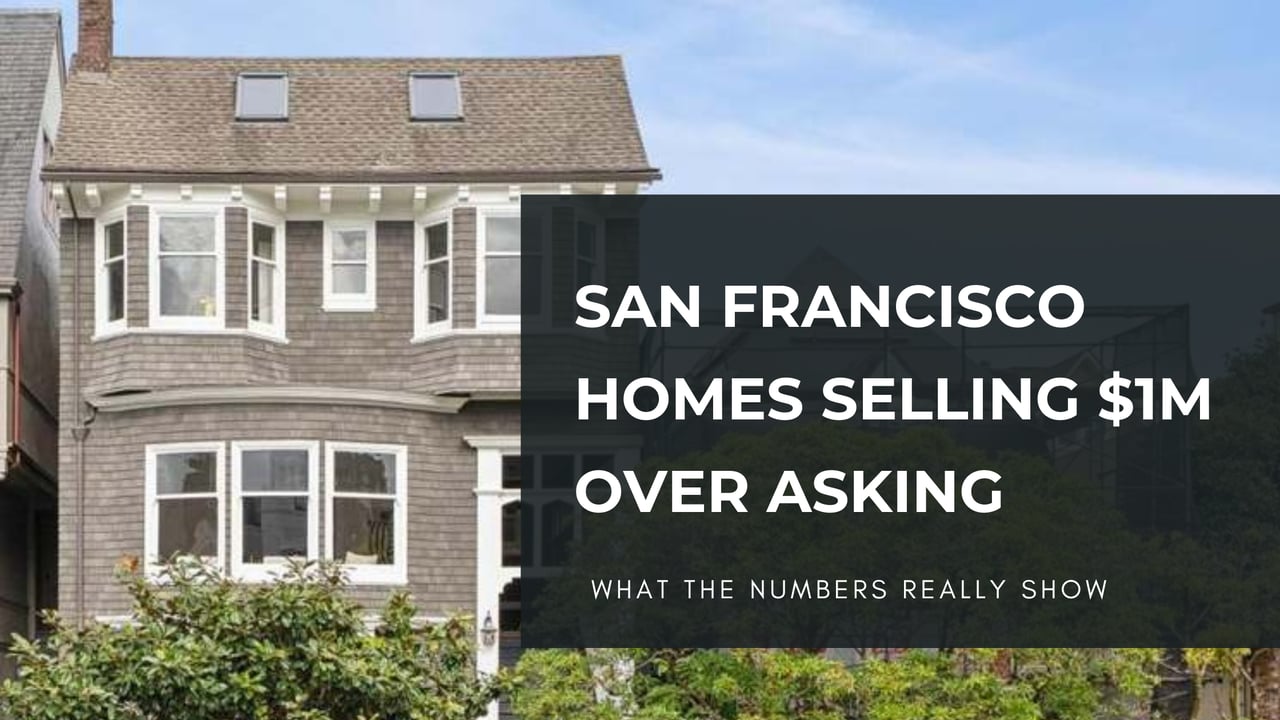
More than 140 San Francisco homes sold over $1 million above asking in early 2026.
July 17, 2026
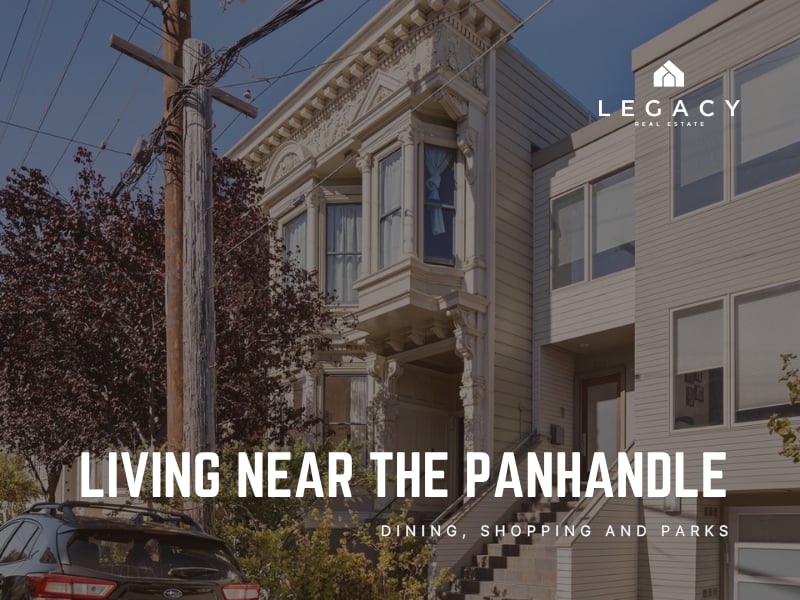
Explore Life Near the Panhandle at 536 Broderick

July 14, 2026
June 2026 Pacifica housing market data, including median sale price, days on market, price per square foot, and sale-to-list price trends.
You’ve got questions and we can’t wait to answer them.