San Francisco City Second Loan Program: What Buyers Need to Know
April 17, 2026
April 17, 2026
If you’re shopping for a home in San Francisco, chances are you’ve come across terms that can feel a little confusing at first. “BMR.” “MOHCD.” “City Second.” “Right of First Refusal.” For many buyers, especially first-time buyers, it can start to sound like a different language.
One program that deserves a clearer explanation is San Francisco’s City Second Loan Program, often called CSLP. It does not get talked about as much as Below Market Rate housing, but for the right buyer, it can be a very appealing path to homeownership. The reason is simple: it offers buyer assistance while still allowing the home itself to remain a market-rate property, rather than a permanently price-restricted one.
That distinction matters.
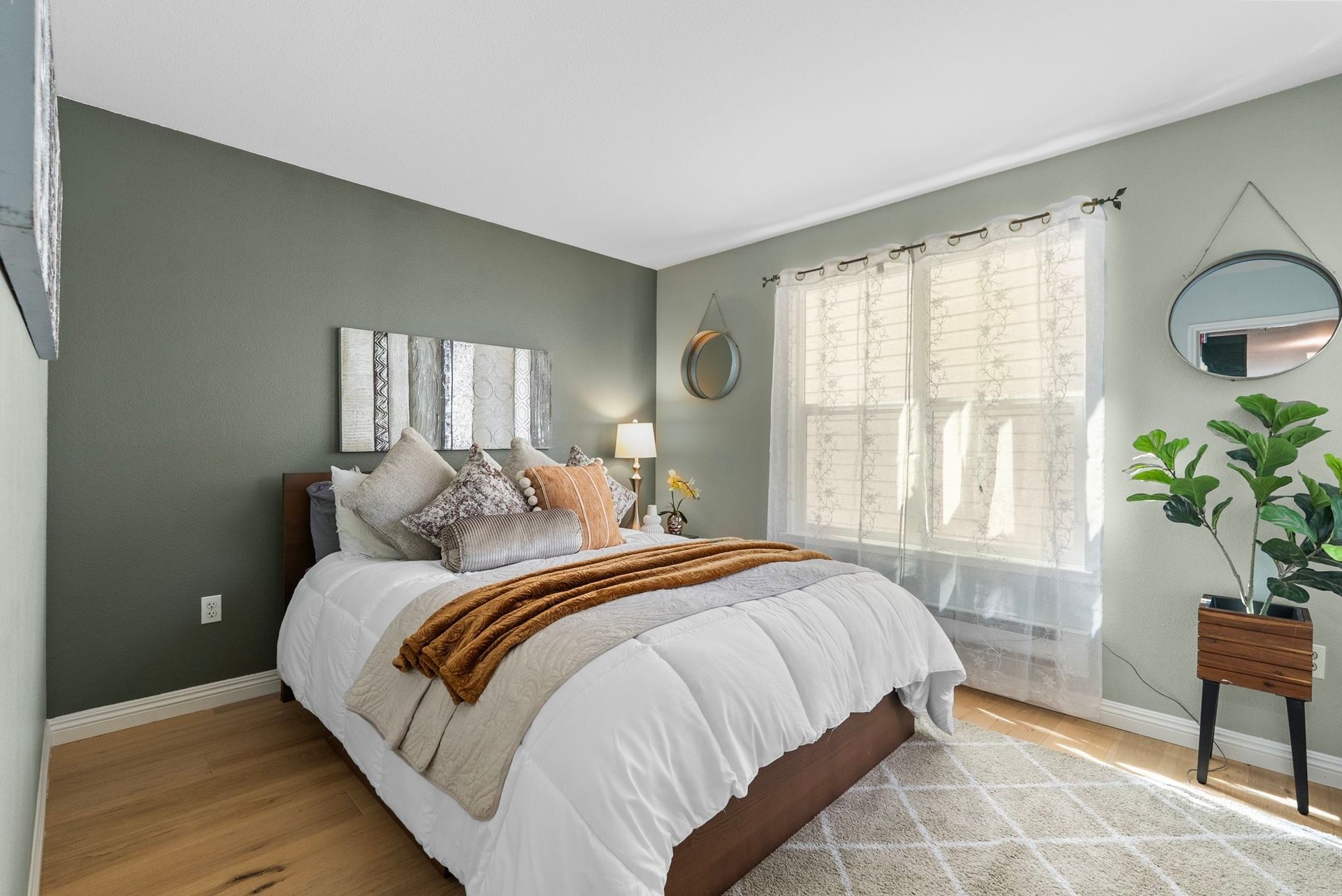
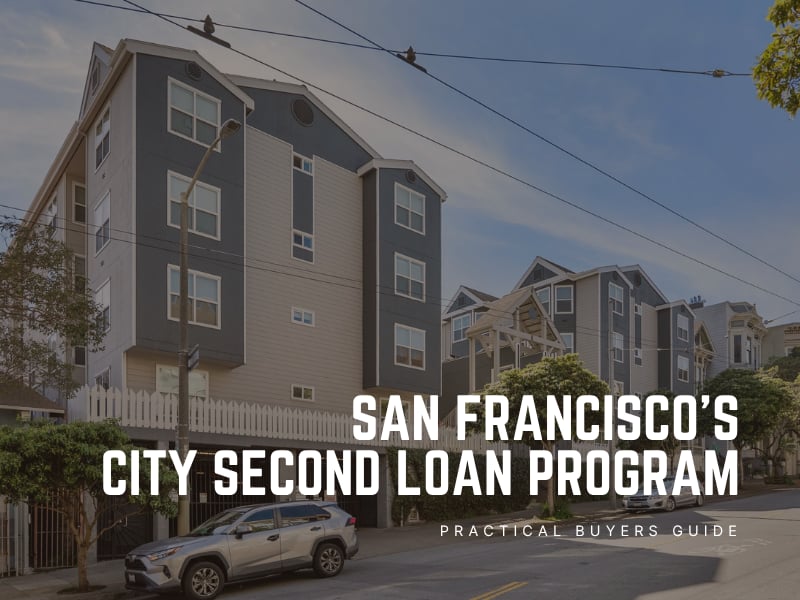
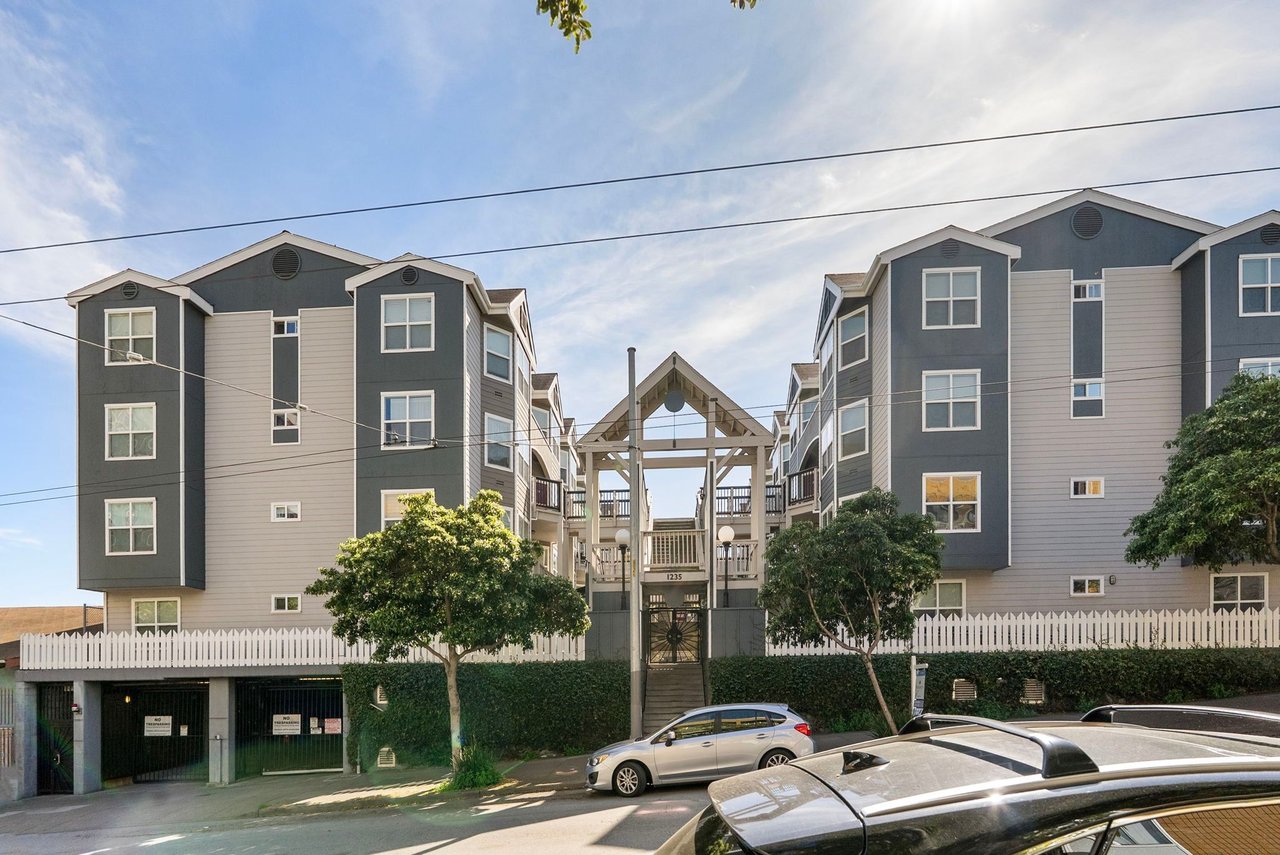
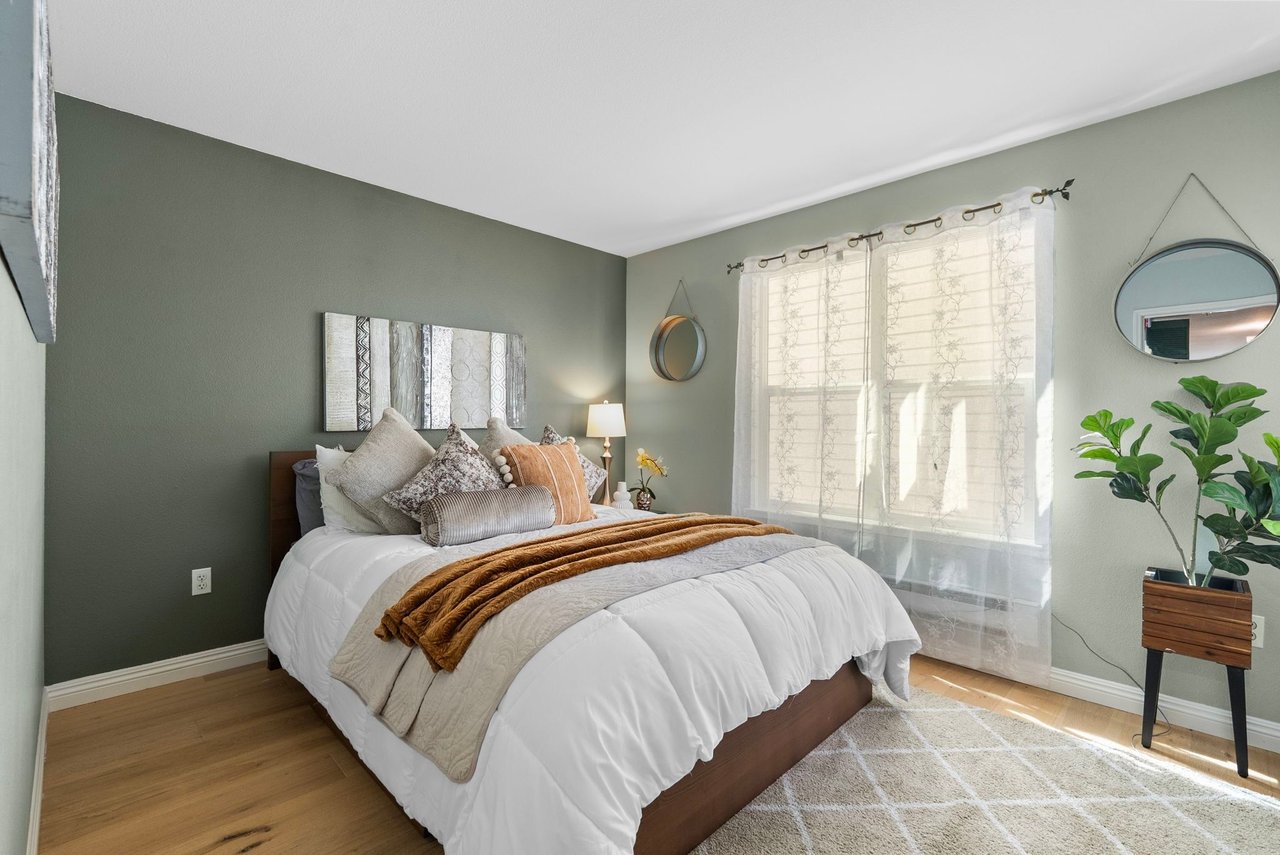
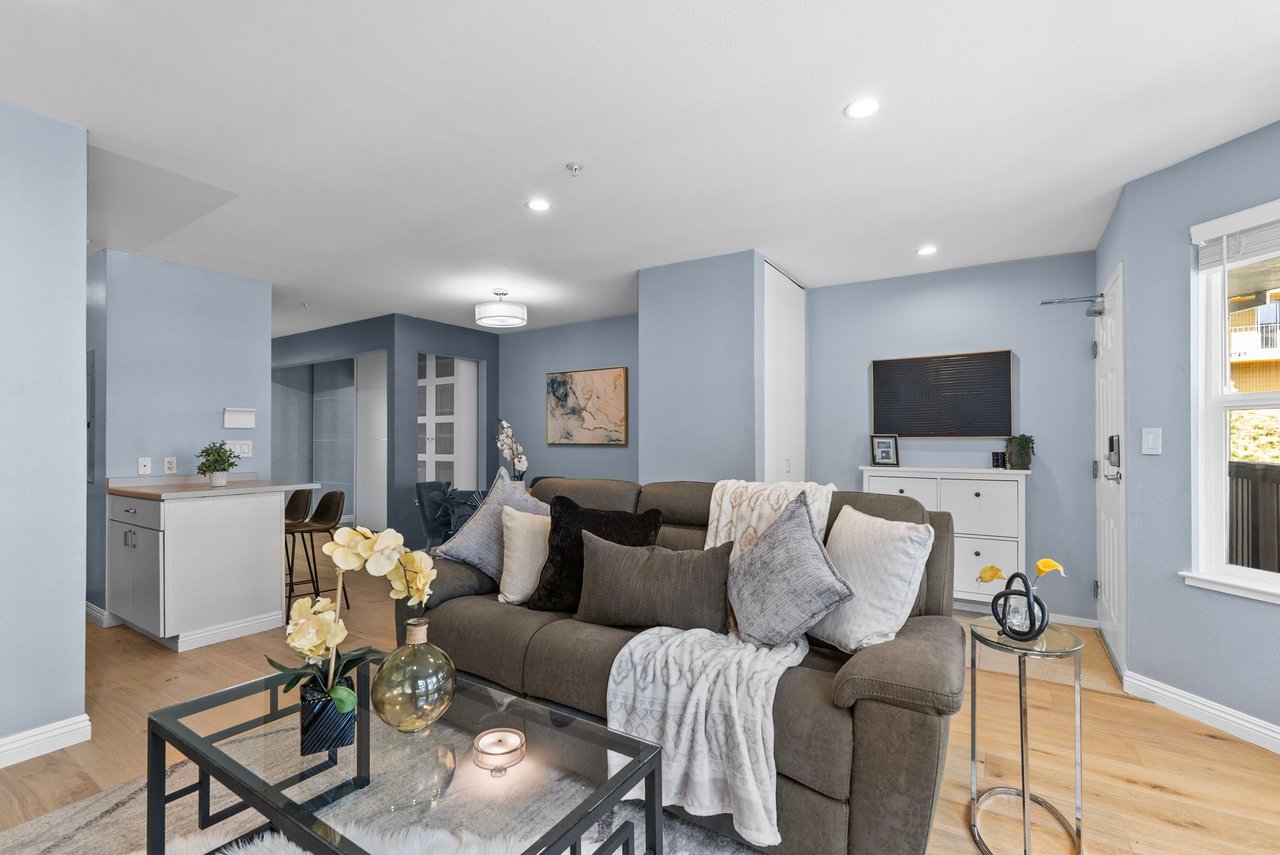
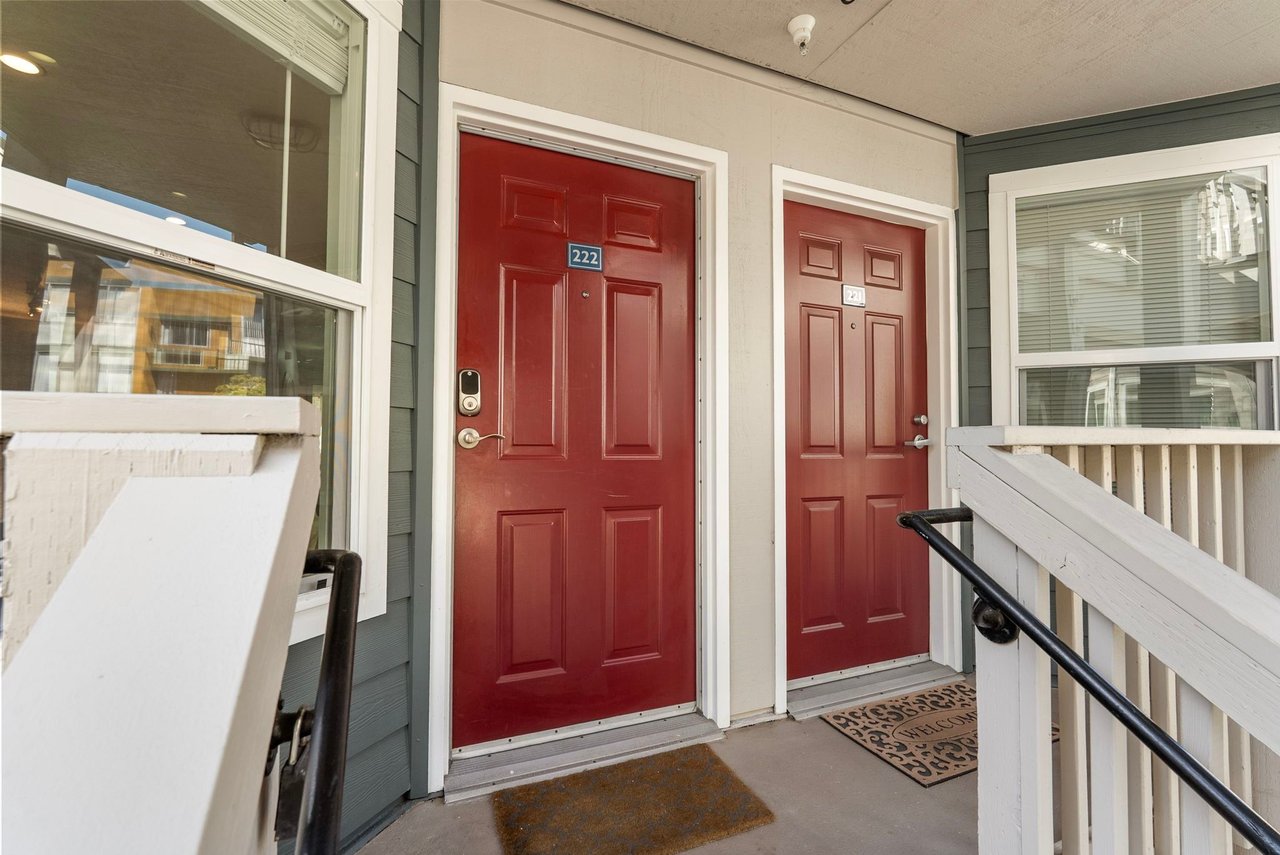
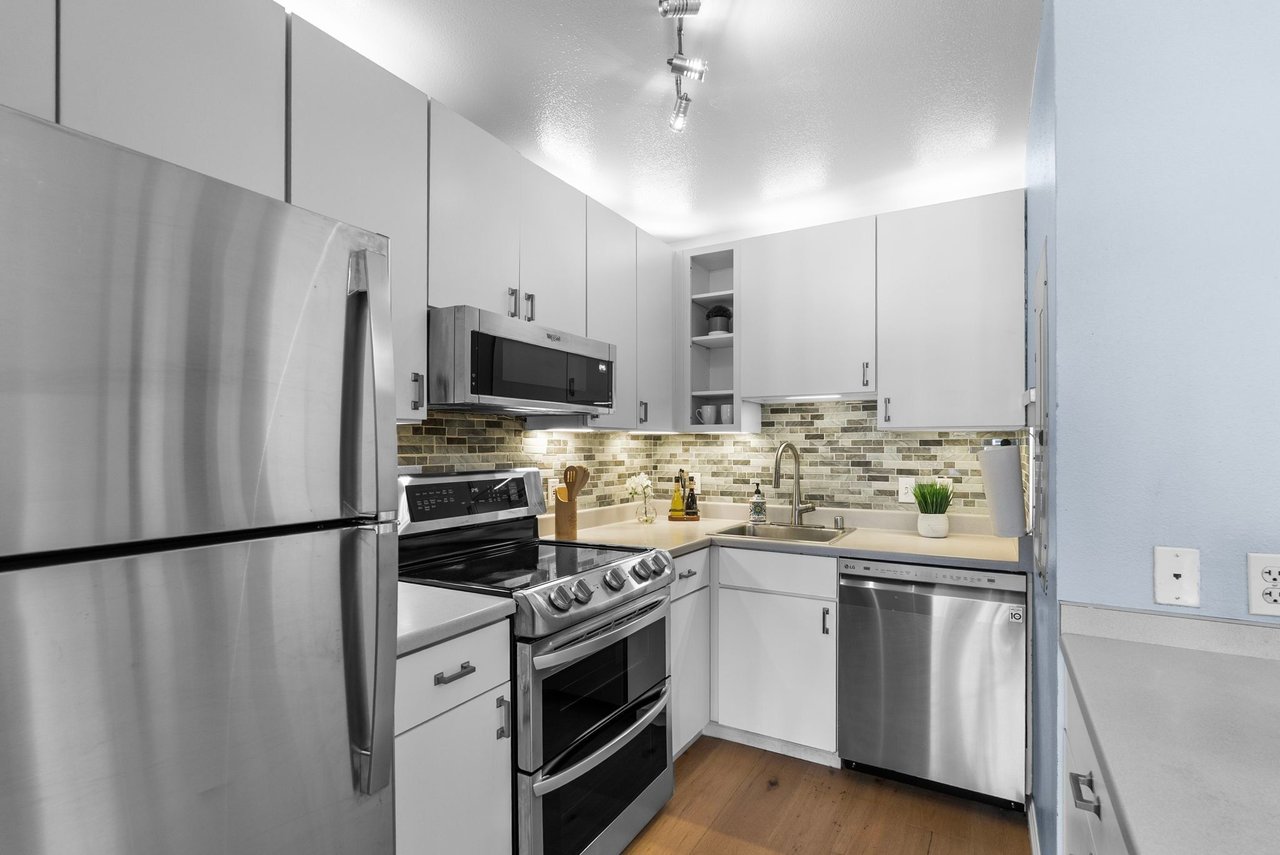
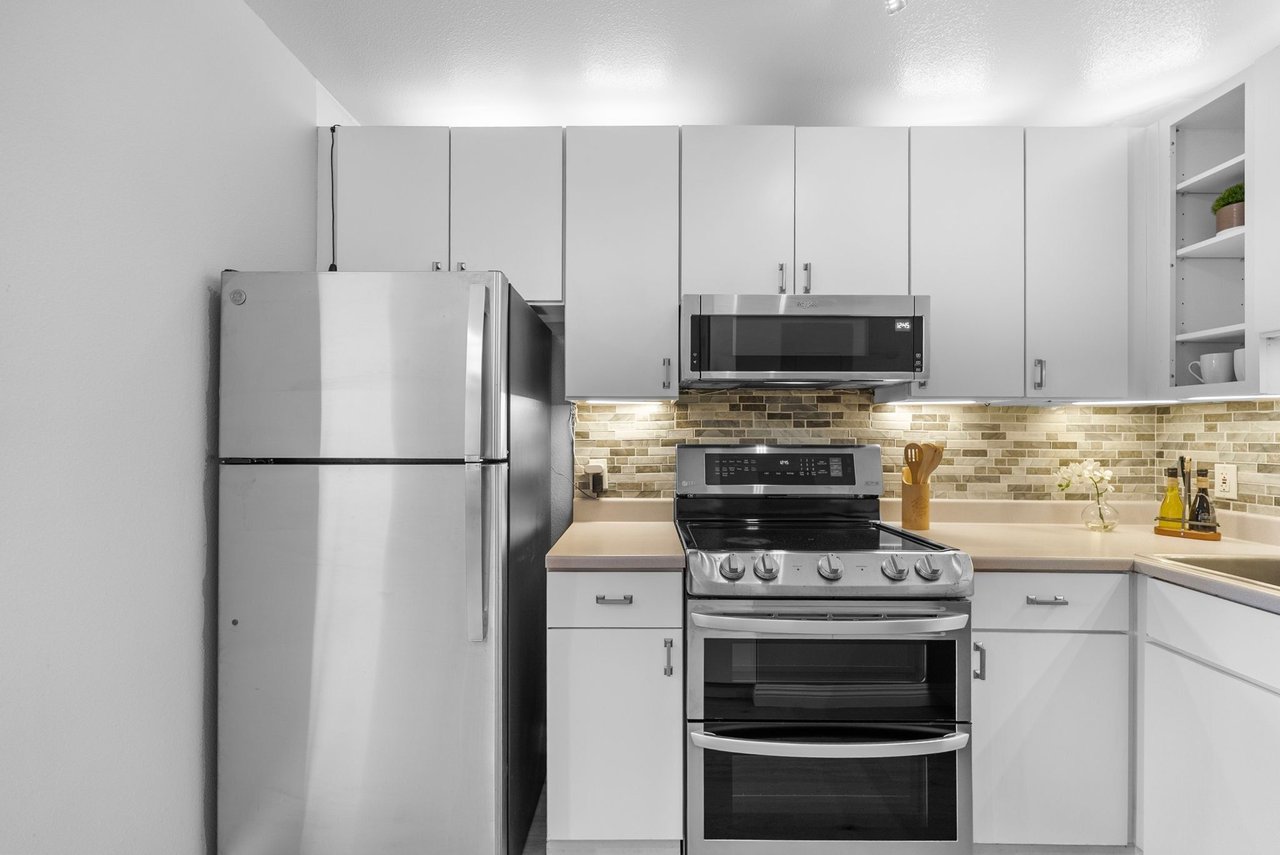
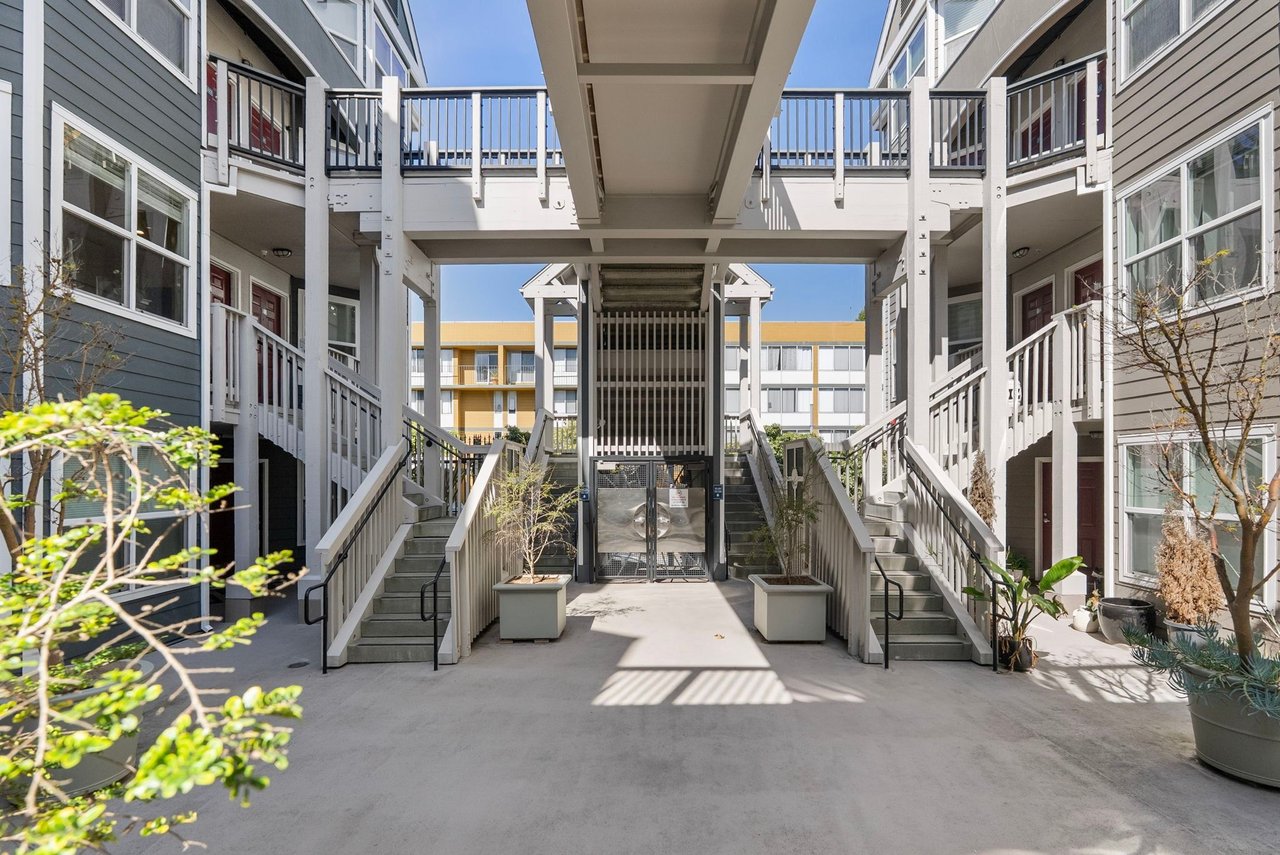
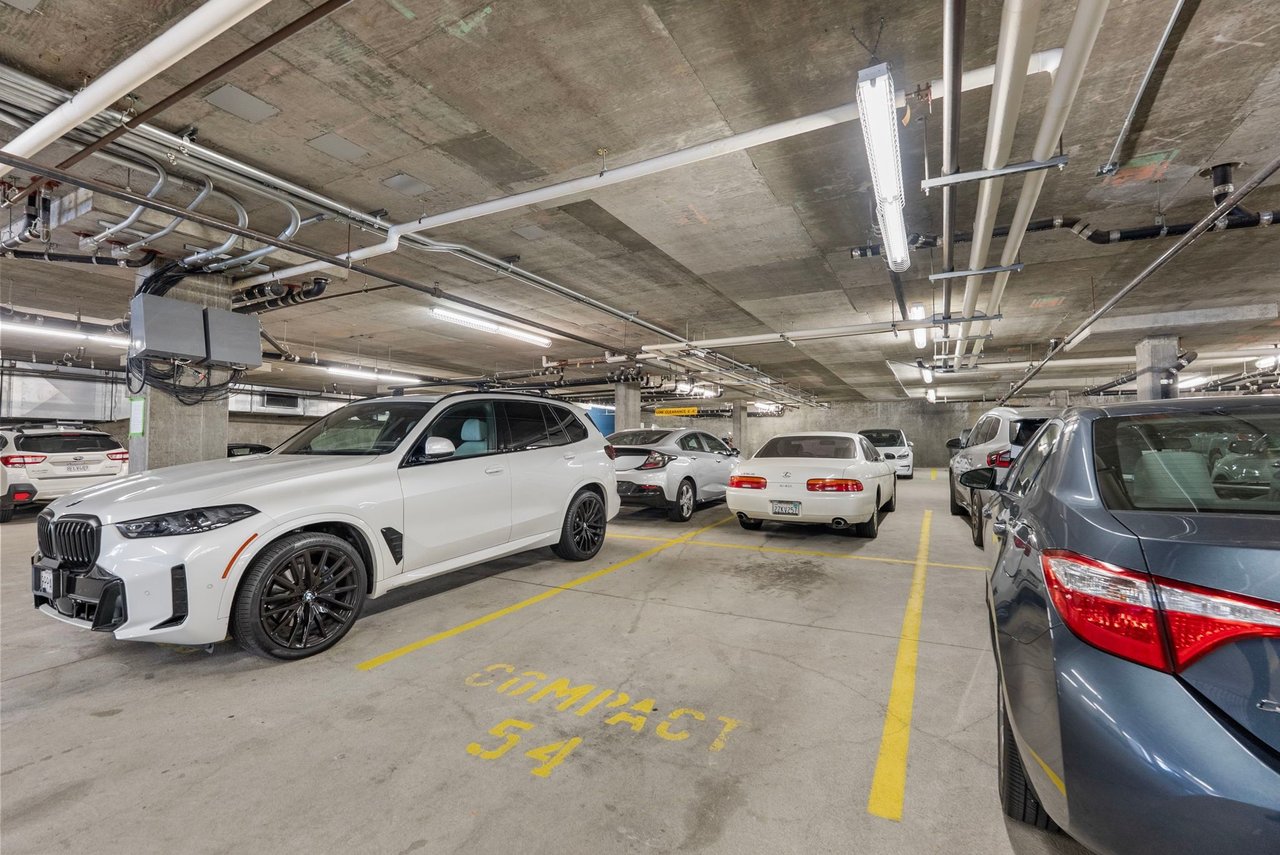
And it is exactly why I wanted to write about it in connection with 1235 McAllister #222, a bright, modern 1-bedroom condo in San Francisco’s Western Addition. The seller of this property has a City Second loan, which makes this home a timely example of the kind of opportunity buyers may need to understand more deeply. The condo itself offers a functional 666-square-foot layout, an updated kitchen, in-unit laundry, double-pane windows, generous closet space, a landscaped courtyard, secure gated entry, and an exceptional location near Alamo Square, Hayes Valley, Trader Joe’s, Golden Gate Park, and multiple Muni lines.
The first and most important thing to understand is that the City Second Loan Program is not the same thing as a BMR home. San Francisco describes City Second as a program that provides a downpayment loan for the purchase of homes in certain developments, and those homes are sold on the open market. The City loan can be up to $500,000, subject to funding availability.
That is a very different structure from BMR housing. With a BMR home, the initial sales price is reduced to make the home more affordable, but the tradeoff is that the home remains under resale restrictions. SF.gov states that when a BMR owner sells, the City sets the resale price and assigns the buyer through a lottery.
So in plain English: a BMR home is affordable because the price is restricted. A City Second home is different. The home can still be sold at market price, and the affordability support comes through the City’s financing structure instead.
Another key point is that the City Second loan is a no-interest, no-monthly-payment deferred loan. That is part of what makes the program attractive. Buyers do not make monthly payments on the City’s second loan while they own the home. But the loan does not disappear. When the property is sold, rented out, or transferred, the City loan becomes due. Repayment includes the original loan balance plus a share of the home’s appreciation.
This is one of the most important things for buyers to understand upfront. The program can create a more accessible path into homeownership, but it is not “free money.” It is structured assistance. That said, many buyers still see strong value in this setup because they are purchasing a market-rate home and preserving more long-term flexibility than they would with a traditional resale-restricted BMR unit.
When a City Second home is sold, the City has a Right of First Refusal. San Francisco explains that when you sell your City Second home, the City can assign a buyer to match your first offer. The program’s data page also notes that each property has its own governing Right of First Refusal document.
This means the transaction has a few more moving parts than a standard market-rate sale. Buyers should be prepared, understand the timeline, and work with an agent and lender who know how the program functions.
This is where buyers often get tripped up, because both programs involve City oversight and income qualification, but they are built very differently.
With a BMR home, the buyer purchases at a below-market price. That lower entry price is a real benefit, but the future resale is restricted. According to SF.gov, when you sell a BMR home, MOHCD determines the resale pricing and uses a lottery process to assign the next buyer. In some cases, the seller may even need to reduce the price to align with what the next qualified buyer can afford.
With a City Second home, the home itself remains a market-rate property with no price restrictions on resale. Instead of controlling the home’s future price, the City’s role is to provide eligible buyers with a downpayment loan and monitor the sale process. That is a huge structural difference.
A simple way to think about it is this:
BMR: lower purchase price now, but resale is controlled later.
City Second: market-rate home, possible City downpayment support, and more flexibility at resale.
I would not say City Second is automatically better for every buyer. Different programs fit different goals. I have helped numerous buyers successfully navigate the BMR program, and it has been a great fit But I do think there are good reasons many buyers may find City Second more appealing.
The biggest one is flexibility.
Because City Second homes can be sold at market price, buyers are not stepping into the same long-term resale limitations that come with BMR ownership. Yes, the City loan has to be repaid, along with a share of appreciation, but that is still very different from having the future resale price capped by formula and the next buyer assigned through a lottery.
For some buyers, that makes City Second feel more like a bridge into traditional homeownership rather than a permanently restricted category of ownership. It offers help at the front end while still allowing the home to participate in the broader market later.
Another advantage is the familiarity of the asset itself. City Second homes are privately owned market-rate homes. That can make them easier to understand from a lifestyle and long-term planning perspective, especially for buyers who want to think beyond just getting into a property and also consider future options.
The program can be a great fit, but buyers should go in with open eyes.
First, you still need to qualify. City Second buyers must use a MOHCD-approved lender, complete homebuyer education, and meet the program’s eligibility standards. SF.gov also notes that applicants must be able to match market-rate offers for these homes.
Second, timing and paperwork matter. Because MOHCD is involved, these transactions can require more coordination than a standard condo purchase. Buyers should be prepared with documents, financing, and a clear understanding of the process.
Third, think about the full picture, not just the entry point. It is easy to focus on how to get into a home, but with City Second, it is just as important to understand how repayment works down the road. The loan becomes due upon sale, rental, or transfer, and repayment includes the City’s proportional share of appreciation.
That does not make the program a drawback. It just means buyers should understand the math and the structure before they move forward.
Homes like 1235 McAllister #222 help make these abstract program details feel much more real.
This is not just a policy conversation. It is a chance to look at an actual home in a highly desirable part of San Francisco and understand how a City Second structure may come into play. The condo is competitively priced, move-in ready, and located in a secure, professionally maintained community. It offers the convenience that many buyers want: updated finishes, in-unit laundry, good storage, and excellent access to transit, parks, neighborhood dining, and daily essentials.
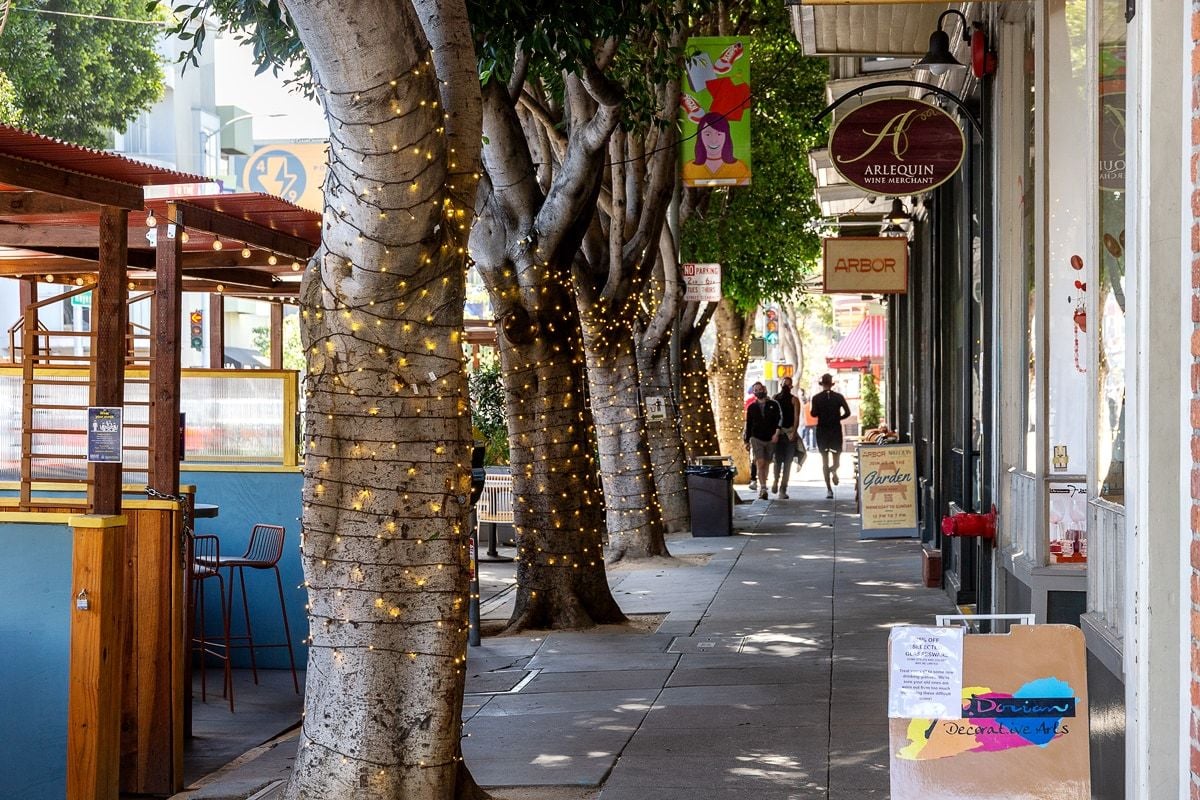
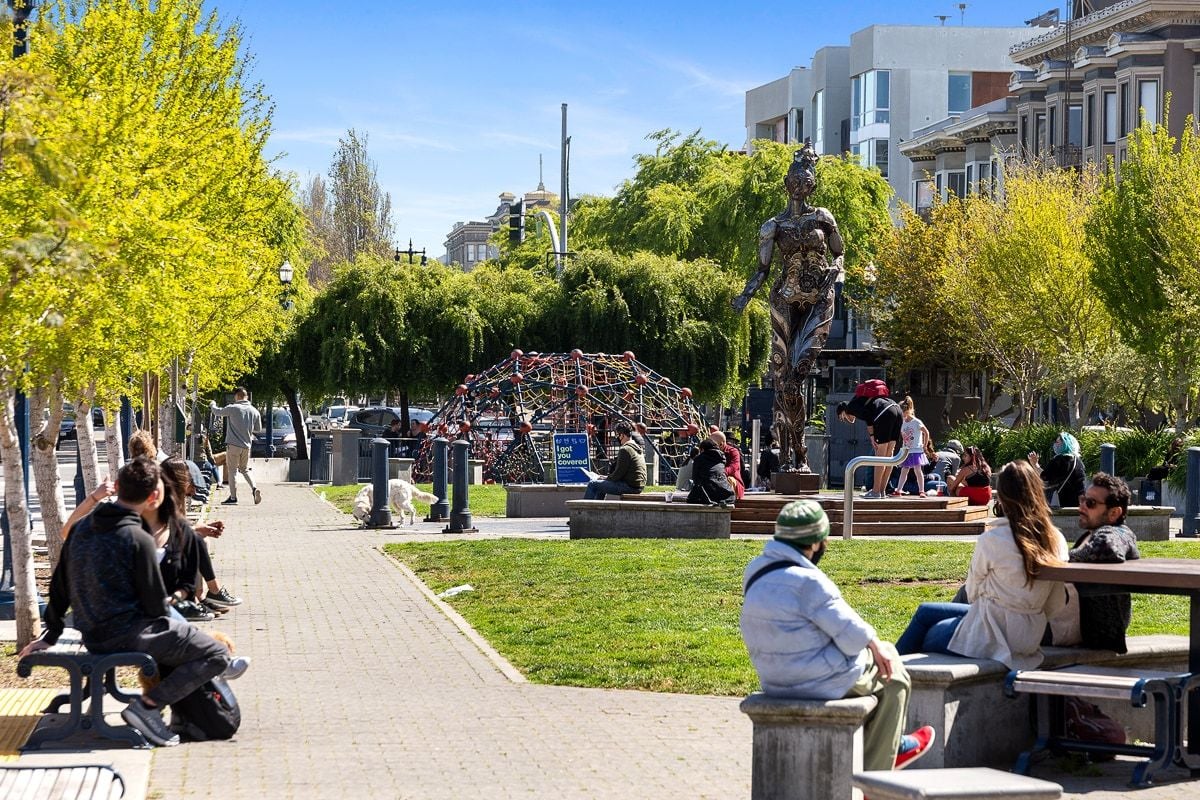
The location is especially appealing. Set in the Western Addition near Alamo Square and the border of Hayes Valley, the home offers a blend of neighborhood charm and city convenience that is hard to fake. From Trader Joe’s to the Panhandle to nearby destination dining, this is the kind of area that reminds people why they want to live in San Francisco in the first place.
For buyers comparing housing options, this is where City Second becomes particularly interesting. Instead of looking only at traditional BMR inventory, they may be able to pursue a home that feels more connected to the open market while still benefiting from a City-supported path to purchase.
San Francisco’s City Second Loan Program is one of those housing tools that deserves a much clearer explanation than it usually gets.
It is not the same as BMR housing. It is not just another version of an affordable housing lottery. And for buyers who want more flexibility, it may be one of the more interesting ownership paths available in the city. City Second offers qualified buyers downpayment assistance for certain market-rate homes, while BMR homes come with resale price restrictions and City-controlled resale procedures.
That difference is important.
If you are exploring homes in San Francisco and want to better understand programs like City Second, BMR, or how to evaluate a property like 1235 McAllister #222, reach out. A clear understanding of the options can make a big difference, and the right guidance can help you see opportunity where others just see confusing program language.
Dulmaa Bor, Realtor®
Legacy Real Estate
(415) 407-2263
[email protected]
DRE #01850292

Stay up to date on the latest real estate trends.
September 17, 2026
Understanding the Key Differences Before You Buy in San Francisco

September 3, 2026
Pacifica home sales slowed in August, but well-priced properties continued to move quickly, with 68% of closed homes selling within 30 days.
September 1, 2026
Discover what makes San Francisco’s Inner Sunset so desirable, from Golden Gate Park and Irving Street to transit, tech shuttle access and Ocean Beach.
August 30, 2026
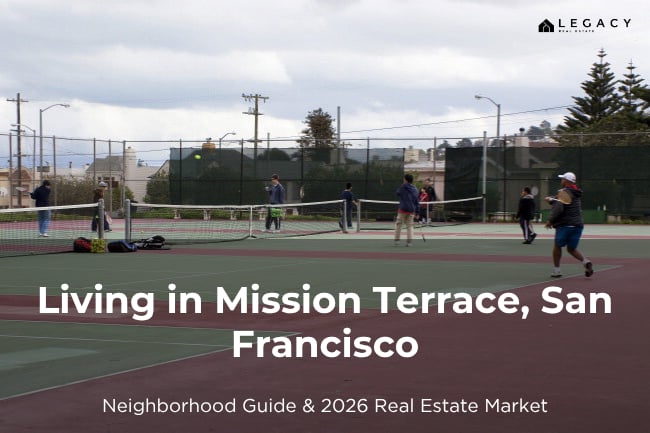
Explore Mission Terrace’s neighborhood amenities, transportation, community, homes, and 2026 real estate market.
You’ve got questions and we can’t wait to answer them.