San Francisco Home Buyer Struggles: A 2026 Perspective from the Ground
March 26, 2026

March 26, 2026
By Jennifer Burden, Founder & Associate Broker, Legacy Real Estate
If you have been trying to buy a home in San Francisco lately, you already know the struggle has not disappeared. Buyers are dealing with a market where affordability is stretched, inventory remains tight, and the best homes can move very quickly. As of late March 2026, Freddie Mac’s average 30-year fixed mortgage rate sits at 6.38%, which continues to put pressure on monthly payments even as buyers adjust to a more normalized rate environment than the ultra-low-rate years.
What makes 2026 tricky is that San Francisco is not one simple market. It is a collection of micro-markets. Some listings sit. Some get negotiated. And some still attract multiple offers almost immediately. Redfin’s February 2026 data shows the median sale price in San Francisco at $1.5 million, up 7.7% year over year, with homes selling in a median of 14 days. Homes in the city received an average of four offers, which is a good reminder that competition has not vanished.
Calling today’s market a full recovery would be too simplistic, but calling it soft would also miss the mark. The better description is selective strength. San Francisco continues to reward well-priced, well-presented homes, especially in neighborhoods and price points where supply remains limited. According to the California Association of REALTORS®, the February 2026 median price for an existing single-family home in San Francisco County was $1,976,000, up 23.5% year over year. The county’s unsold inventory index was 1.6 months, which is still a very lean supply environment.
That low inventory number matters. It means buyers may see more listings than they did at the height of the lock-in effect, but supply is still not close to abundant. Many owners remain reluctant to give up older low-rate mortgages, and that continues to limit turnover.
Mortgage rates are still a major part of this story. For buyers, that means affordability is still driven as much by monthly payment as by purchase price. Even when home prices are not surging in every segment, financing costs continue to shape what buyers can comfortably pursue.
Affordability remains the biggest hurdle. That is still the first conversation I have with buyers, and it is often the hardest one. The issue is not just whether someone can qualify. It is whether the payment feels sustainable and sensible given the rest of their life. Between high home prices and borrowing costs in the 6% range, many buyers are recalibrating their expectations in real time.
Inventory is the second challenge, but the nuance matters. Buyers are not always facing a total lack of options. More often, they are facing a lack of the right options. A buyer may see listings on paper, but those homes may not line up with their budget, commute, condition standards, or space needs. That is where frustration sets in. A market with limited supply does not just mean fewer homes. It means fewer clean matches. San Francisco County’s 1.6-month unsold inventory index underscores how little margin for error there is.
Competition is also more concentrated than it was a few years ago. Not every listing becomes a bidding war, but the homes buyers actually want, especially the turnkey ones in strong locations with realistic pricing, can still move fast. Redfin describes San Francisco as “somewhat competitive,” notes that homes receive four offers on average, and says hot homes can sell for about 21% above list while going pending in around eight days.
Then there is the emotional side of the process, which should not be overlooked. Buyers are making big decisions in an expensive city while dealing with rate volatility, limited inventory, and the pressure to move quickly when the right property appears. In practical terms, this means resilience matters almost as much as financing. The buyers who tend to succeed are the ones who stay informed, stay flexible, and avoid locking themselves into too narrow a definition of what the “right” home must look like.
One of the most effective strategies for buyers in today’s market is broadening the map. Many buyers begin with a short list of the usual suspects, often the most established or most talked-about neighborhoods. The problem is that those areas can also come with the highest competition and the fewest compromises available at a given price point.
Expanding your search does not mean settling. It often means finding value in places that offer a different balance of space, lifestyle, transit access, and long-term upside. In San Francisco, neighborhoods like Bayview, Portola, Dogpatch, and Crocker Amazon deserve a serious look precisely because buyers can sometimes find more flexibility there than in the city’s most over-subscribed pockets.
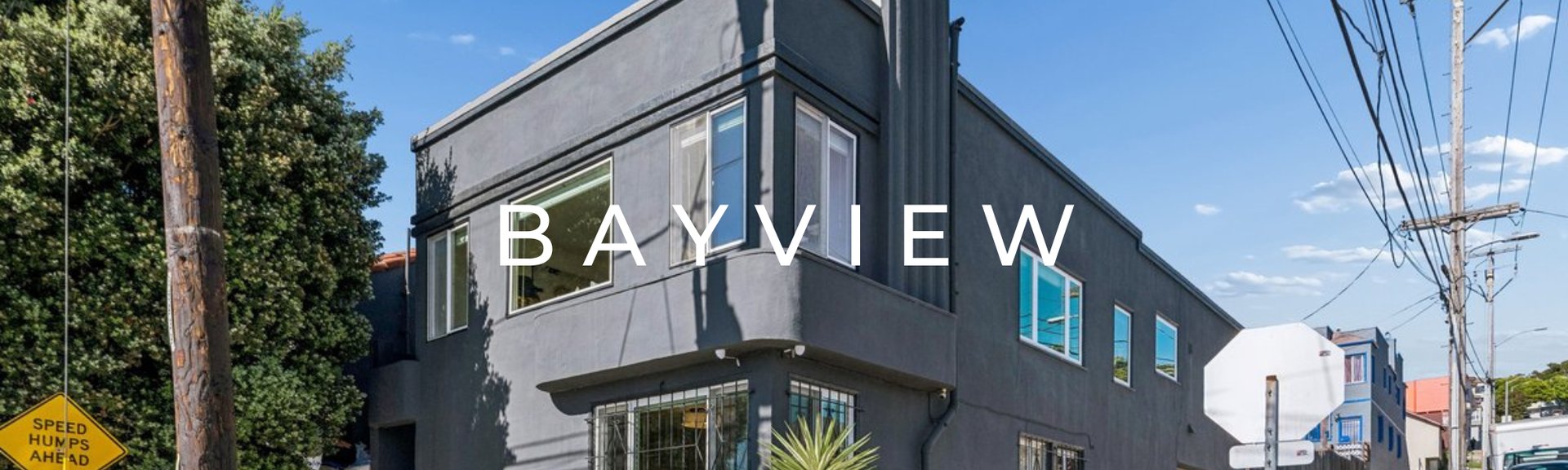
Bayview remains one of the city’s most interesting neighborhoods for buyers willing to think beyond the obvious. The San Francisco Planning Department describes Bayview Hunters Point as a district with residential, industrial, housing, transportation, commerce, and recreation components, and the SFMTA continues to advance a community-based transportation plan for the area. This is a part of the city that is on the radar for continued public investment and long-range planning.
For buyers, Bayview can be compelling because it offers a different entry point into San Francisco homeownership than many north-side neighborhoods. It also has a strong sense of local identity and proximity to the southeastern waterfront. It is worth exploring for those who want more room, a less conventional search, and potential long-term upside. I have been a Bayview resident for quite some time and would be happy to outline the appeal of calling it my home.
Check out these two Bayview / Hunters Point offerings:
50 Jerrold Ave 306, San Francisco, CA 94124
1 Bed 1 Bath | https://www.50jerrold-306.com/
5900 3rd St 2406, San Francisco CA, 94124
3 Beds 2 baths | https://www.5900-3rdst-2406.com/
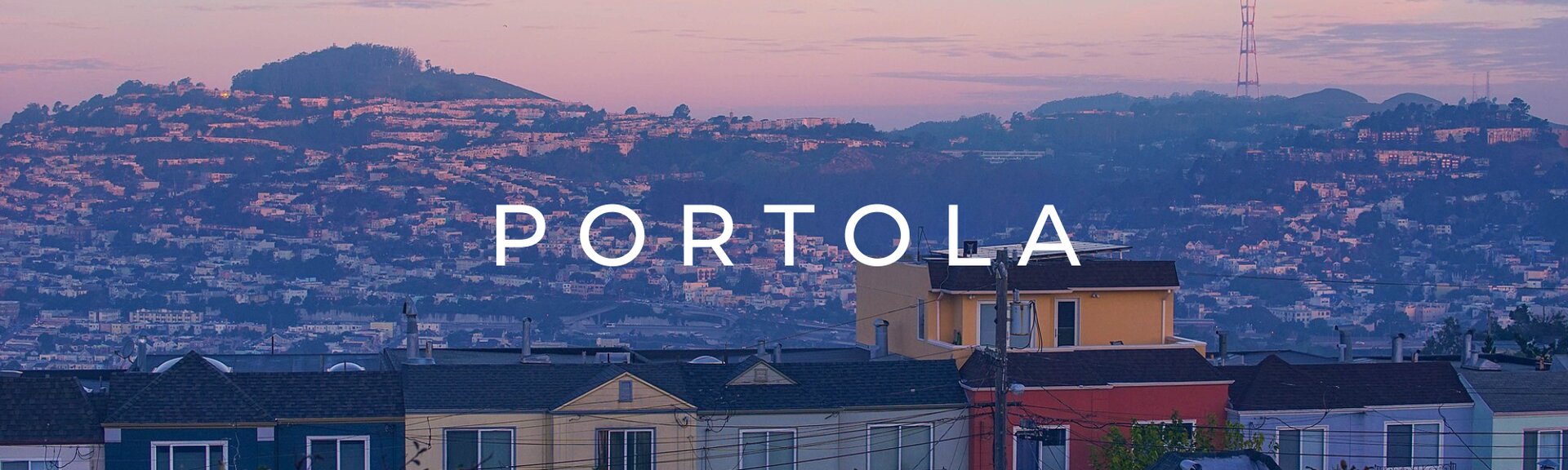
Portola is often overlooked by buyers who initially focus on a narrow band of central or northwestern neighborhoods. Portola has a grounded, neighborhood feel that many buyers love, with San Bruno Avenue offering local shops and conveniences nearby. It is also close to McLaren Park and Portola Open Space, giving residents access to a huge expanse of trails, greenery, and more room to breathe than many people expect in San Francisco.
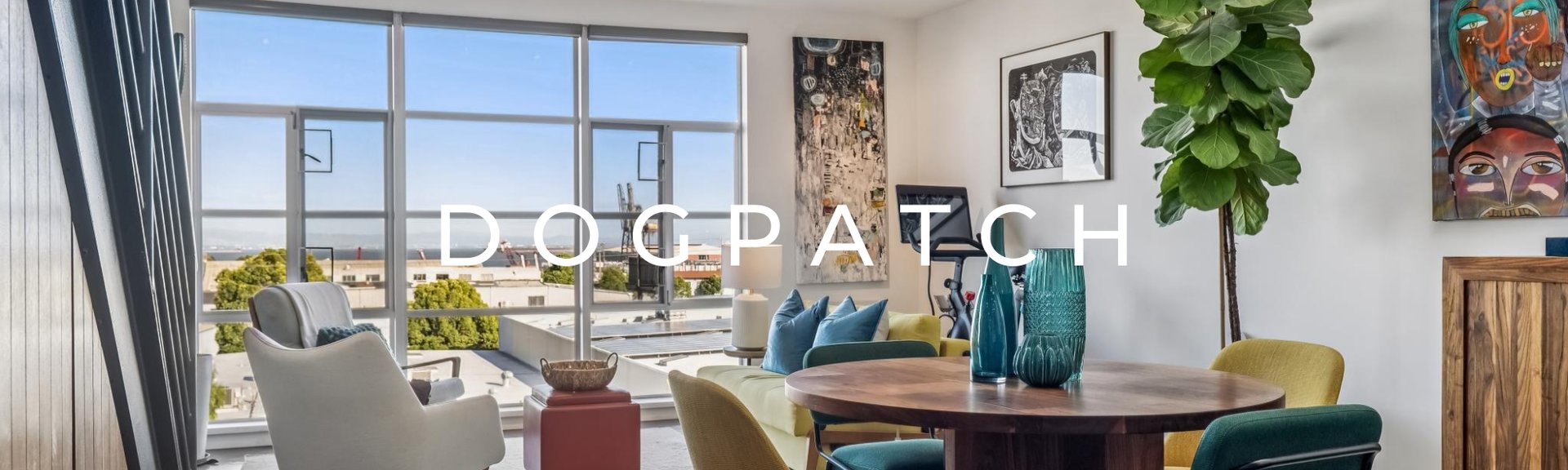
Dogpatch has firmly moved out of the “up-and-coming” category and into the “established lifestyle neighborhood” conversation. SF Travel describes Dogpatch and Mission Bay as home to waterfront parks, strong dining, and major attractions, and the city even highlights the area for a full day out.
For buyers, Dogpatch can make a lot of sense when lifestyle is a priority. The neighborhood blends industrial history, newer housing stock, waterfront access, and a modern neighborhood feel that resonates with many professionals and creative buyers. It is usually not the cheapest option on this list, but it often attracts buyers who want a strong day-to-day experience and are willing to pay for it.
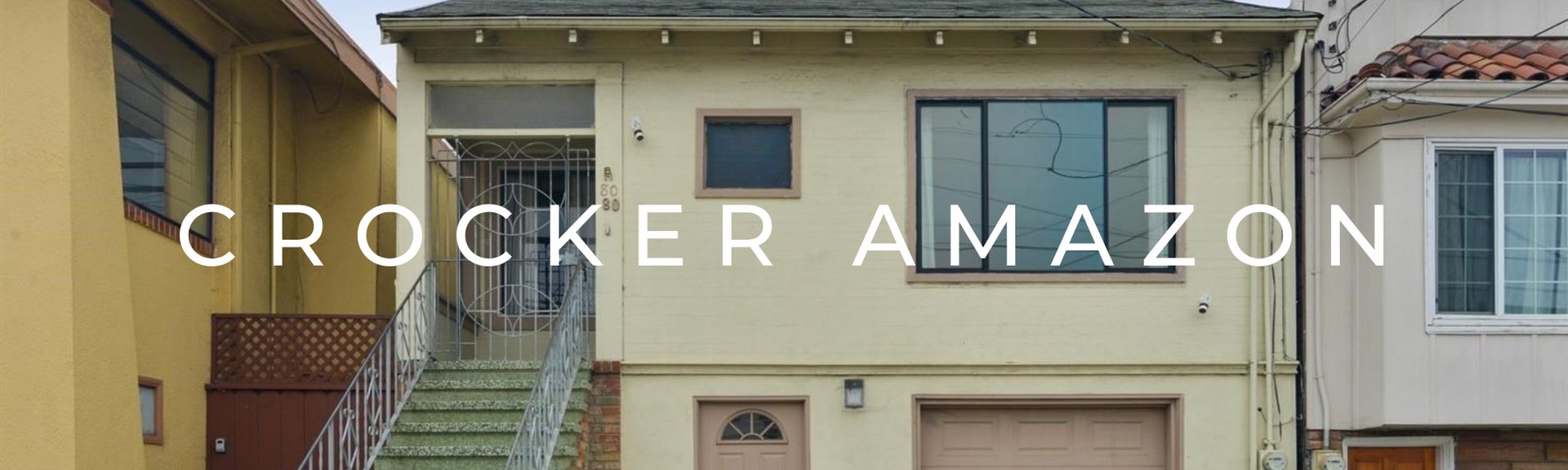
Crocker Amazon deserves more attention than it gets. From a practical standpoint, it is well served by transit. The SFMTA neighborhood page lists multiple Muni lines serving Crocker Amazon, including the 14/14R corridor and several cross-city routes. The neighborhood is also anchored by Crocker Amazon Playground, which San Francisco Recreation and Park notes includes multiple sports fields, tennis, basketball, bocce, and other recreational amenities.
For buyers who care about connectivity, green space, and a more approachable entry point into the city, Crocker Amazon can be a smart place to look. It may not always be the first neighborhood people mention, but that is part of its appeal. Buyers who stay open-minded here can sometimes uncover options that feel more realistic without leaving San Francisco.
The first step is getting honest about payment comfort, not just pre-approval. A lender can tell you what you qualify for, but that is not the same as what feels wise for your life. With the average 30-year mortgage rate at 6.38% as of March 26, 2026, buyers should model real monthly costs carefully, including taxes, insurance, HOA dues where applicable, and reserves after closing.
The second step is staying flexible about geography and property type. In this market, the buyers who tend to do best are often the ones who are willing to widen their search before they feel forced to. Flexibility early in the process creates opportunity. Flexibility late in the process often feels like compromise.
Third, be ready to act when the right home appears. Redfin’s February data shows homes selling in a median of 14 days citywide, with the hottest homes moving much faster. That does not mean rushing blindly. It means being organized enough to move confidently when the numbers and the property make sense.
Finally, work with someone who understands San Francisco at the neighborhood level. The gap between one block, one property type, or one pricing strategy and the next can be huge here. A citywide headline can be useful, but it is never the whole story.
Is 2026 a good time to buy in San Francisco?
For many buyers, yes. The market is still competitive, but it is more nuanced than the frenzy years, and well-prepared buyers can find opportunities. Current data shows active demand, fast-moving homes, and low inventory rather than a market in retreat.
What is the biggest challenge buyers face right now?
Affordability remains the biggest challenge, driven by both elevated home prices and mortgage rates in the mid-6% range.
Are bidding wars still happening?
Yes, though more selectively. San Francisco homes received four offers on average in February 2026, and hot homes could sell for significantly above list.
Which neighborhoods offer buyers more room to explore?
Bayview, Portola, and Crocker Amazon are often worth considering for buyers who want to expand beyond the most heavily competed parts of the city, while Dogpatch remains attractive for buyers prioritizing lifestyle and waterfront access.
Should buyers wait for rates to fall?
Trying to time rates perfectly can backfire. Rates can move quickly, and lower rates can also bring more competition back into the market. Buyers are usually better served by purchasing when their finances, timeline, and comfort level are aligned.
San Francisco has never been an easy place to buy, and that is still true in 2026. But hard does not mean impossible. It means buyers need a sharper strategy, better information, and a wider lens.
The biggest San Francisco home buyer struggles right now are affordability, limited inventory, and the pressure to make smart decisions quickly. The good news is that buyers who stay flexible, do their homework, and explore neighborhoods beyond the usual shortlist can still find real opportunity in this market.
At Legacy Real Estate, we help buyers look past the noise and make clear-eyed decisions based on what is happening right now, not what the headlines said six months ago.
Stay up to date on the latest real estate trends.

September 3, 2026
Pacifica home sales slowed in August, but well-priced properties continued to move quickly, with 68% of closed homes selling within 30 days.

September 1, 2026
Discover what makes San Francisco’s Inner Sunset so desirable, from Golden Gate Park and Irving Street to transit, tech shuttle access and Ocean Beach.

August 30, 2026
Explore Mission Terrace’s neighborhood amenities, transportation, community, homes, and 2026 real estate market.

August 21, 2026
A local look at Cole Valley homes, neighborhood favorites, parks, transit and what makes this small San Francisco neighborhood such an appealing place to live.
You’ve got questions and we can’t wait to answer them.